Have you ever wondered if your home’s humidity is quietly causing problems you can’t see? Too much moisture in the air can lead to mold, damage to your furniture, and even affect your health.
But how can you know when the humidity is getting too high before these issues start? That’s where a hygrometer comes in. Imagine having a simple device that not only measures the humidity but also alerts you when levels rise beyond what’s safe.
You’ll discover how a hygrometer can help protect your home and well-being by keeping you informed about your indoor humidity. Keep reading to find out how this tool can make a real difference for you.

How Hygrometers Work
Hygrometers are tools that measure humidity in the air. They help monitor moisture levels to keep spaces comfortable and safe. Understanding how hygrometers work can help you use them better and know when humidity is too high.
Types Of Hygrometers
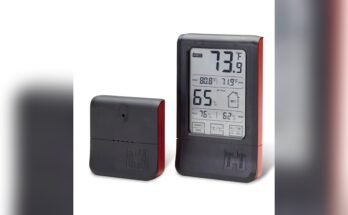
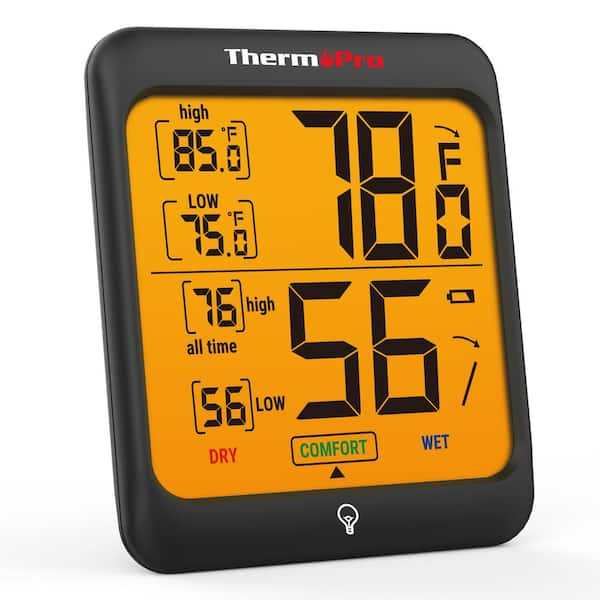
There are several types of hygrometers. The most common types include mechanical, electronic, and digital models. Mechanical hygrometers use materials that change size with humidity, like hair or paper. Electronic hygrometers use sensors that react to moisture changes. Digital hygrometers show humidity levels clearly on a screen for easy reading.
Measuring Humidity Levels
Hygrometers measure the amount of water vapor in the air. They give readings as a percentage called relative humidity. This shows how much moisture is in the air compared to the maximum it can hold. Some hygrometers have alarms that alert you if humidity rises too high. These alerts can help prevent damage from mold or dampness.

Humidity And Its Effects
Humidity is the amount of water vapor in the air. It can change inside homes and buildings. High humidity causes many problems. It affects health and can damage property. Knowing about these effects helps you stay safe and protect your space.
A hygrometer can alert you if humidity levels rise too high. This can prevent issues before they start. Understanding the effects of humidity is important for everyone.
Impact On Health
High humidity makes the air feel warmer than it is. This can cause sweating and discomfort. It can worsen breathing problems like asthma and allergies. Mold and dust mites grow faster in damp air. These can trigger coughs and skin irritation. Low humidity can dry out skin and eyes. Keeping balanced humidity helps maintain good health.
Damage To Property
Excess moisture can ruin wood, paint, and wallpaper. It causes wood to warp and paint to peel. Mold grows on walls, ceilings, and carpets. This damages surfaces and creates bad odors. Electronics and books can also get harmed. Controlling humidity protects your belongings and home structure.
Alert Features In Hygrometers
Hygrometers help monitor indoor humidity levels. Too much moisture can cause problems like mold and damage. Many modern hygrometers come with alert features. These alerts notify users when humidity is too high or too low. Alerts make it easier to keep your space comfortable and safe.
Built-in Alarms
Some hygrometers have built-in alarms. These alarms beep or flash when humidity crosses set limits. You can set the desired humidity range. The device then watches humidity levels closely. If it goes outside the range, the alarm sounds. This helps you act quickly to fix the problem.
Smart Hygrometer Notifications
Smart hygrometers connect to your phone or tablet. They send notifications if humidity becomes too high. You get real-time updates wherever you are. This feature helps protect your home even when away. Many smart devices also track humidity trends over time. This data guides better control of your indoor environment.
Choosing The Right Hygrometer
Choosing the right hygrometer matters for accurate humidity monitoring. The device must alert you when humidity levels rise too high. Not all hygrometers offer the same reliability or features. Picking one with the right traits helps protect your home or workspace effectively.
Consider the purpose and environment where the hygrometer will be used. This helps narrow down the best options. Some models suit indoor use better, while others work well outdoors or in special conditions.
Accuracy And Calibration
Accuracy is key for a reliable humidity reading. Look for hygrometers with a small error margin, ideally within 2% to 3%. Calibration options are important too. Some devices allow manual recalibration to keep readings precise over time. Others have automatic calibration features that adjust themselves.
Check if the hygrometer provides a clear humidity range display. Digital models often show exact numbers. Analog ones use a dial, which might be less precise. Choose what fits your need for accuracy.
Additional Features To Consider
Extra features can improve your experience with a hygrometer. Alerts or alarms notify you when humidity exceeds safe levels. This prevents damage to furniture, electronics, or health problems.
Some hygrometers combine temperature readings, giving you a fuller picture of your environment. Look for models with easy-to-read screens and simple controls. Wireless or smart options can send alerts to your phone. These add convenience but may increase the price.
Using Hygrometers To Control Humidity
Hygrometers measure the moisture level in the air. They help keep humidity in check. High humidity can cause mold, damage, and discomfort. A hygrometer shows real-time data to act quickly. Using it helps maintain a healthy, comfortable space.
Many hygrometers have alert features. They notify you when humidity rises too high. This early warning helps prevent problems before they start. You can then use tools or actions to lower humidity.
Integrating With Dehumidifiers
Some hygrometers connect directly to dehumidifiers. This setup allows automatic humidity control. When humidity is too high, the dehumidifier turns on. It runs until the level drops to a safe range. This saves effort and keeps air dry consistently. It also helps save energy by running only when needed.
Monitoring In Different Environments
Hygrometers work well in many places. Use them in homes, offices, or greenhouses. Each environment has different humidity needs. For example, plants need certain moisture levels to grow well. Homes need moderate humidity for comfort and health. Using multiple hygrometers helps monitor different rooms. This ensures balanced humidity throughout the space.
Frequently Asked Questions
Can A Hygrometer Notify Me When Humidity Is Too High?
Yes, many modern hygrometers have built-in alarms or alerts. These notify you when humidity exceeds preset levels. Alerts help prevent mold, damage, and discomfort by keeping humidity in check.
How Accurate Are Hygrometers In Detecting Humidity Levels?
Hygrometers are generally accurate within 2-5% relative humidity. Digital models provide more precise readings than analog ones. Calibration improves accuracy, ensuring reliable humidity monitoring for your environment.
What Types Of Alerts Do Hygrometers Offer?
Hygrometers can offer audible alarms, visual signals, or smartphone notifications. Alerts vary by model but typically warn of high or low humidity. This helps you take timely action to maintain ideal conditions.
Can I Connect A Hygrometer To My Smart Home System?
Yes, some hygrometers integrate with smart home systems via Wi-Fi or Bluetooth. This allows remote monitoring and automated alerts on your devices. Smart integration enhances convenience and control over indoor humidity.
Conclusion
A hygrometer can warn you when humidity rises too high. It measures moisture in the air and shows real-time readings. Many models have alarms to alert you instantly. Keeping humidity in check helps prevent mold and damage. This device supports healthier air and a safer home.
Using a hygrometer is simple and effective for moisture control. Trust it to help maintain comfort and protect your space.