Are you worried about mold growing inside your gun safe? You’re not alone.
Mold can damage your firearms and important documents, causing headaches and costly repairs. But can a simple tool like a hygrometer actually help prevent this problem? Understanding how a hygrometer works and how it fits into controlling moisture could save your prized collection.
Keep reading to discover how you can protect your gun safe from mold before it’s too late.
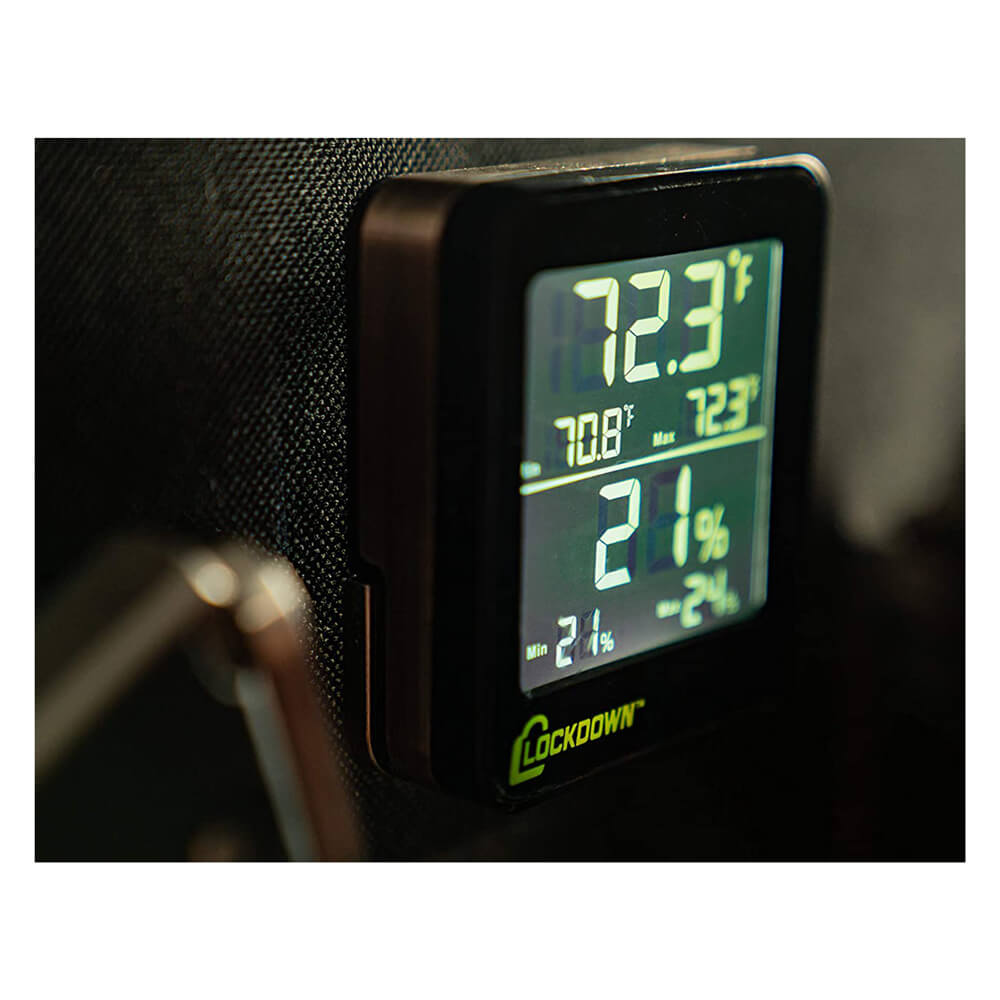
Role Of Hygrometers In Gun Safes
Hygrometers play a key role in protecting guns inside safes. They measure moisture in the air, helping to stop mold growth. Mold damages guns and other valuables. Keeping the right humidity level is important for gun safety. A hygrometer shows if moisture is too high or low.
How Hygrometers Work
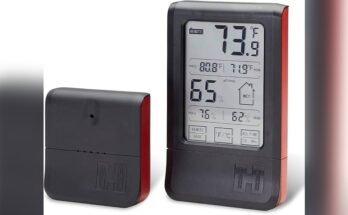
A hygrometer measures the amount of water vapor in the air. It uses sensors to detect humidity. These sensors change based on moisture levels. The device then shows a number called relative humidity. This number tells you how wet or dry the air is inside your gun safe.
Measuring Humidity Levels
Humidity levels inside a gun safe should stay between 30% and 50%. Too much moisture leads to rust and mold. Too little can dry out wooden gun stocks. A hygrometer helps monitor these levels. It lets you know when to use a dehumidifier or add moisture control packs.
Types Of Hygrometers
There are several types of hygrometers for gun safes. Analog ones use a dial to show humidity. Digital hygrometers display numbers on a screen. Some models connect to smartphones for easy monitoring. Choosing the right type depends on your needs and budget.

Mold Risks In Gun Safes
Gun safes protect valuable firearms and ammunition from theft and damage. Yet, many owners overlook a hidden threat: mold. Mold can grow inside a gun safe, especially in damp or poorly ventilated spaces. This risk can cause serious harm to both guns and ammo. Understanding mold risks helps keep your collection safe and functional.
Causes Of Mold Growth
Mold grows in areas with high humidity and little airflow. Gun safes often trap moisture, creating a perfect environment for mold spores. Poor ventilation and damp conditions increase the chance of mold. Even small leaks or wet items inside the safe can trigger mold growth.
Impact On Firearms And Ammunition
Mold damages metal and wood parts of firearms. It causes rust and weakens gun finishes. Mold can also spoil the gun’s wooden stocks and grips. Ammunition exposed to mold may fail or become unsafe. Mold reduces the reliability and value of firearms and ammo.
Signs Of Mold Presence
Look for a musty or damp smell inside the safe. White, green, or black spots on guns or safe walls indicate mold. Rust stains and discoloration can also signal mold growth. Early detection helps prevent serious damage to your collection.
Using Hygrometers To Control Moisture
Using a hygrometer is a smart way to manage moisture inside a gun safe. Moisture causes rust and mold, which can damage firearms. A hygrometer shows the humidity level, helping you keep it safe. This small tool gives real-time readings, so you know when to act.
Controlling moisture starts with checking humidity regularly. Without a hygrometer, you might miss early signs of dampness. Keeping an eye on humidity helps protect your guns and keeps the safe dry.
Ideal Humidity Range For Gun Safes
The best humidity level for a gun safe is between 35% and 50%. Below 35%, wood stocks can dry out and crack. Above 50%, rust and mold can form quickly. Staying in this range keeps guns and accessories safe.
Monitoring And Adjusting Humidity
Place the hygrometer inside the safe at eye level. Check it every few days or weekly to track changes. Use moisture absorbers or dehumidifiers to lower humidity if needed. For high humidity, silica gel packs work well. For low humidity, consider a small humidifier designed for safes.
Common Mistakes To Avoid
Do not ignore the hygrometer readings. Waiting too long can cause damage. Avoid placing the hygrometer near the door or vents, where readings are less accurate. Do not rely on one reading; check regularly. Replace moisture control products as directed to keep them effective.
Additional Moisture Prevention Tips
Preventing moisture inside a gun safe is key to stopping mold growth. A hygrometer helps monitor humidity levels. It shows when moisture is high. Yet, other steps also help keep your safe dry. These tips work with a hygrometer for better protection.
Silica Gel And Desiccants
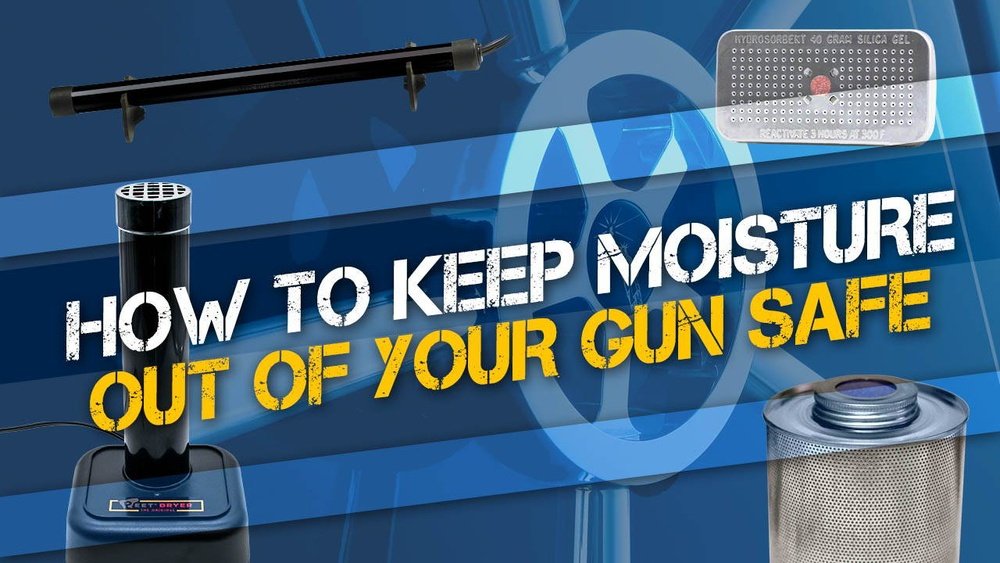
Silica gel packs absorb moisture from the air inside the safe. They help keep the space dry and mold-free. Desiccants come in many forms and sizes. Replace them regularly to maintain their effectiveness. These small items are cheap and easy to use. Place them in corners or near your guns.
Safe Placement Of Gun Safes
Place your gun safe in a dry area. Avoid basements or places with high humidity. Choose a spot away from water pipes or leaks. Elevate the safe off the floor if possible. This stops moisture from creeping in from below. Good location reduces moisture risks.
Ventilation And Air Circulation
Proper airflow inside the room helps prevent moisture build-up. Keep the area around the safe ventilated. Use fans or dehumidifiers if the room is damp. Avoid sealing the safe in a completely airtight space. Some air movement limits mold growth inside the safe.
Maintenance And Regular Checks
Maintenance and regular checks keep your gun safe dry and mold-free. A hygrometer helps, but it needs care to work well. Regular cleaning, calibrating, and inspections are key steps. These steps protect your firearms and gear from damage caused by moisture. Staying on top of these tasks prevents mold growth and rust.
Cleaning Your Gun Safe
Clean your gun safe often to remove dust and dirt. Use a soft cloth and mild cleaner. Avoid harsh chemicals that can damage the safe’s finish. Keep the interior dry by wiping any moisture. Clean corners and shelves where dust collects. This stops mold spores from settling inside.
Calibrating Your Hygrometer
Check your hygrometer’s accuracy regularly. Calibration ensures it shows the right humidity level. Use the salt test or follow the manufacturer’s guide. Adjust the reading if needed to match the correct humidity. A well-calibrated hygrometer helps you control moisture better.
Routine Inspections
Look inside your safe often for signs of mold or rust. Check the door seal for cracks or gaps. Make sure the safe stays closed tightly to keep moisture out. Monitor humidity readings daily or weekly. Early detection stops small problems from becoming big ones.
Frequently Asked Questions
Can A Hygrometer Detect Mold Risk In A Gun Safe?
A hygrometer measures humidity inside the gun safe. High humidity can lead to mold growth. Monitoring humidity helps prevent mold by maintaining safe moisture levels.
How Does Humidity Affect Mold Growth In Gun Safes?
Excess humidity creates a damp environment. Mold thrives in moisture-rich conditions. Controlling humidity prevents mold and protects firearms from damage.
What Humidity Level Prevents Mold In A Gun Safe?
Ideal humidity is between 30% and 50%. Levels above 60% increase mold risk. Keeping humidity in this range helps avoid mold growth and rust.
Can A Hygrometer Alone Stop Mold In Gun Safes?
A hygrometer only measures humidity; it doesn’t control it. Use it with dehumidifiers or moisture absorbers to maintain safe humidity and prevent mold.
Conclusion
A hygrometer helps track humidity inside your gun safe. Keeping humidity low stops mold from growing. But just measuring is not enough. Use a dehumidifier or moisture absorber too. Check the hygrometer often for any changes. Protect your guns by controlling moisture well.
Mold can damage your collection if ignored. Small steps make a big difference. Stay aware and keep your safe dry. Mold prevention starts with good humidity control.