Have you ever wondered if freezing temperatures could mess with your gun safe’s hygrometer? If you rely on this device to keep your firearms safe from moisture, it’s important to know how extreme cold might affect its accuracy.
Imagine trusting your hygrometer to protect your valuable guns, only to find out it’s giving you false readings when the temperature drops. You’ll discover how cold weather impacts your gun safe hygrometer and what you can do to keep your firearms in perfect condition no matter the season.
Keep reading—you don’t want to miss these crucial tips!
How Hygrometers Work
Hygrometers measure the amount of moisture in the air. They help keep track of humidity levels inside a gun safe. This is important to protect guns from rust and damage. Understanding how these devices work can help you maintain your safe better.
Hygrometers come in different types and use various methods to measure humidity. Each type has its strengths and weaknesses. Knowing these details helps in choosing the right hygrometer for extreme cold conditions.
Types Of Hygrometers
There are two main types of hygrometers used in gun safes: analog and digital. Analog hygrometers use materials that change with humidity, such as hair or paper. Digital hygrometers use electronic sensors to measure moisture.
Analog models are simple and do not need batteries. Digital models offer more precise readings and often have extra features. Both types can be affected by extreme cold, but digital ones may handle it better.
Measuring Humidity Basics
Humidity is the amount of water vapor in the air. Hygrometers measure this by detecting changes in physical or electrical properties. For example, hair strands expand or contract with moisture. Electronic sensors measure changes in resistance or capacitance.
These changes convert into a percentage called relative humidity. This percentage shows how much moisture is in the air compared to the maximum it can hold. Keeping this number in a safe range prevents rust and mold inside a gun safe.
Effects Of Cold On Hygrometer Accuracy
Cold temperatures can change how a hygrometer works inside a gun safe. These devices measure humidity by using sensors. When the temperature drops too low, the sensors may not work correctly. This can lead to wrong humidity readings. Knowing how cold affects these sensors helps keep your gun safe in good condition.
Temperature Impact On Sensors
Most hygrometers use electronic or mechanical sensors. Cold weather can slow down these sensors. Electronic sensors may react slower or give false readings. Mechanical sensors might stiffen or freeze. Both types lose accuracy when the temperature falls below their normal range.
Extremely low temperatures can cause condensation inside the device. Moisture buildup can damage sensor parts. This damage leads to permanent errors in humidity measurement. Keeping the safe at a stable temperature helps sensors work well.
Common Errors In Cold Conditions
Cold can cause the hygrometer to show lower or higher humidity than actual. This error can mislead gun owners about safe conditions. For example, a frozen sensor may show very low humidity, but the air could be moist. Incorrect readings can make owners miss important maintenance steps.
Sometimes, the display might freeze or stop updating. This issue makes it hard to trust the readings. Regularly checking and calibrating your hygrometer in cold seasons reduces these problems. Using a safe with some insulation also protects the device from cold effects.
Gun Safe Environment Challenges
Maintaining the right environment inside a gun safe is not always easy. Extreme cold can make this task harder. Cold temperatures affect more than just the outside of the safe. They also impact the internal conditions that protect your firearms. Understanding these challenges helps keep your guns safe and working well.
Gun safes need stable conditions to prevent damage. Temperature changes can cause moisture problems. This moisture can lead to rust and corrosion inside the safe. Knowing how cold weather affects the safe’s environment is key to proper care.
Humidity Control Importance
Humidity inside a gun safe must stay low. High humidity causes rust on metal parts of guns. A good hygrometer measures moisture levels. It helps gun owners take action before damage occurs. Keeping humidity stable protects your firearms and valuables.
Hygrometers must be accurate to be useful. False readings can lead to wrong decisions. Moisture control devices rely on these readings to work well. Proper humidity control means longer gun life and better performance.
Cold Weather Risks
Extreme cold can affect the hygrometer’s accuracy. Low temperatures make some sensors slow or faulty. This can hide real moisture problems inside the safe. Cold also causes condensation when warm air enters the safe. Condensation leads to rust and mold growth.
Safe owners must watch for temperature drops inside the safe. Insulating the safe or using a safe heater can help. These steps reduce cold’s effect on both guns and hygrometers. Protecting your safe environment takes careful attention in cold weather.

Protecting Your Hygrometer In Cold
Extreme cold can harm your gun safe hygrometer. Protecting it helps keep accurate readings. Cold affects the sensor inside the hygrometer. This can cause wrong humidity levels to show. Protecting your hygrometer is key to avoid damage and false readings.
Calibration Tips
Check your hygrometer regularly during cold months. Calibrate it using a simple salt test. Place the hygrometer in a sealed bag with salt and water. Wait eight hours, then adjust the reading to 75%. This keeps your device accurate despite cold weather. Repeat calibration every few months for best results.
Placement Strategies
Place the hygrometer away from cold walls and floors. Avoid direct contact with metal surfaces inside the safe. Use a small wooden block or foam to lift it. Keep it near the center of the safe for stable temperature. Avoid placing it near the safe door to reduce temperature swings. Proper placement protects your hygrometer from extreme cold effects.
Alternatives For Cold Environments
Extreme cold can cause problems for traditional gun safe hygrometers. These devices may not show accurate readings in freezing temperatures. Choosing the right type of hygrometer helps protect your firearms from moisture damage.
Several options work better in cold conditions. Some technologies handle low temperatures well. Others rely on external tools to keep humidity in check. Exploring these choices can help you maintain a safe and dry gun safe.
Digital Vs. Analog Options
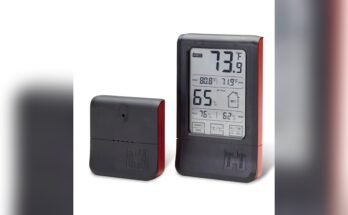
Digital hygrometers often perform better in cold climates. They use electronic sensors that handle temperature changes well. Many digital models come with built-in temperature readings. This feature helps monitor both heat and moisture levels.
Analog hygrometers use mechanical parts. Cold weather can slow their response time. They may freeze or give false readings. For cold environments, digital options offer more reliable data.
Using External Humidity Controls
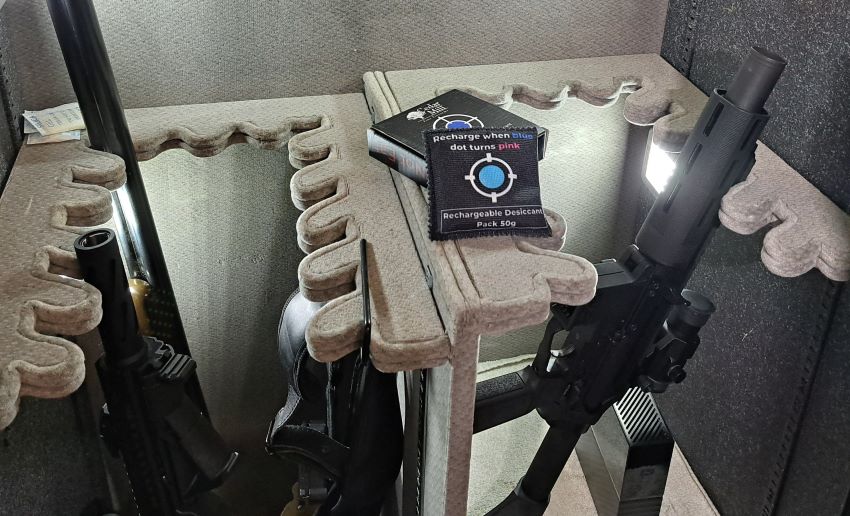
External humidity controls keep moisture levels steady inside the safe. Desiccant packs absorb excess moisture without relying on temperature. Electric dehumidifiers remove humidity with consistent power use.
These devices work independently from the hygrometer. They support accurate humidity monitoring by maintaining dry air. Adding external controls reduces the risk of rust or mold. This step is essential in very cold or damp areas.
Frequently Asked Questions
Can Extreme Cold Cause Gun Safe Hygrometer Errors?
Yes, extreme cold can cause inaccurate readings in a gun safe hygrometer. Low temperatures affect sensor performance and humidity measurement, leading to unreliable data.
How To Protect A Hygrometer From Cold Temperatures?
Place the hygrometer away from direct cold air and insulate the gun safe. Use a humidity control pack to maintain accurate readings during cold weather.
Does Cold Weather Damage Gun Safe Humidity Levels?
Cold weather can lower humidity inside the safe, risking rust and corrosion. Proper insulation and humidity control devices help maintain stable moisture levels despite cold conditions.
Should I Recalibrate My Hygrometer After Cold Exposure?
Yes, recalibrating your hygrometer after exposure to extreme cold ensures accurate humidity readings. Follow manufacturer instructions for proper recalibration steps to maintain reliability.
Conclusion
Extreme cold can affect a gun safe hygrometer’s accuracy. Low temperatures may cause it to show wrong humidity levels. This can lead to moisture problems inside the safe. Protect your hygrometer by keeping the safe in a stable place. Use a quality hygrometer designed for cold conditions.
Check the readings often to catch any errors early. Taking these steps helps keep your guns safe and dry. Small actions make a big difference in protecting your gear. Stay aware and maintain your safe well.