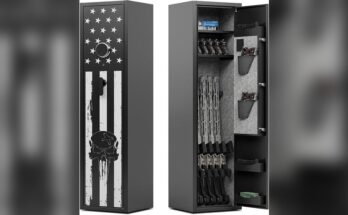
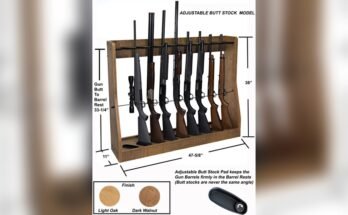
Are you wondering if you can lock your gun rack with a simple padlock? Keeping your firearms secure is crucial for your safety and peace of mind.
But is a padlock enough to protect your guns from unauthorized access? You’ll discover everything you need to know about using padlocks on gun racks, including the pros, cons, and best practices. Read on to find out how you can make your gun storage safer and smarter right now.
Choosing The Right Padlock
Choosing the right padlock is key to securing a gun rack effectively. It protects your firearms from unauthorized access and gives peace of mind. The right padlock fits well, lasts long, and resists tampering. Understanding padlock types, materials, and size helps in making the best choice. This guide breaks down these important factors.
Types Of Padlocks
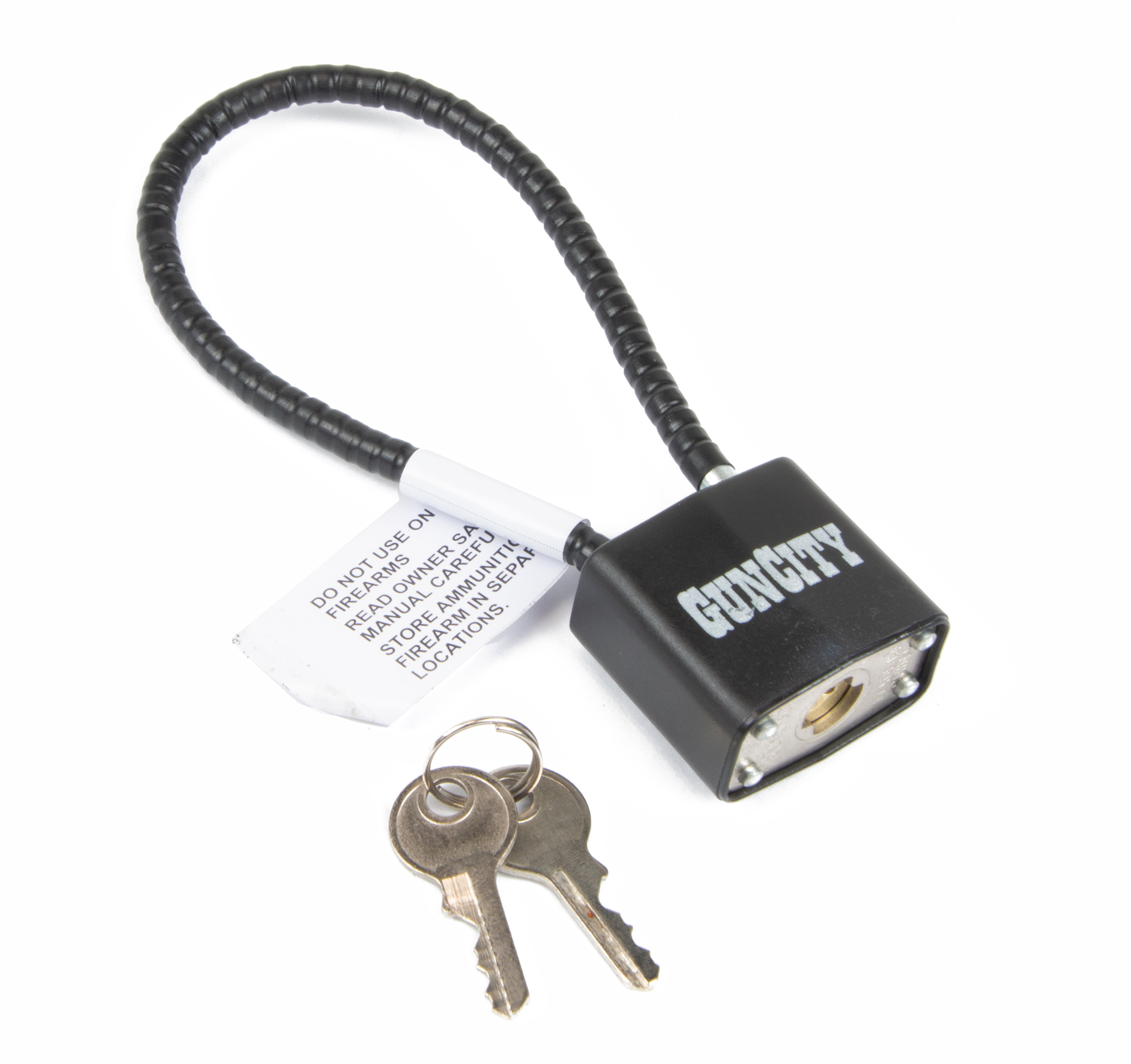
Padlocks come in many types. Common ones include combination locks, key locks, and shrouded padlocks. Combination locks use numbers to open. They do not need a key, which means no risk of losing it. Key locks use a physical key for opening. They offer strong security but require careful key management. Shrouded padlocks have extra metal covering the shackle. This design blocks bolt cutters and adds protection.
Material And Durability
Padlocks are made from different materials like brass, stainless steel, and hardened steel. Brass padlocks resist rust and corrosion. They work well indoors or in dry places. Stainless steel padlocks offer good weather resistance and strength. Hardened steel padlocks are very tough and resist cutting or sawing. Choose a padlock material based on where your gun rack will be. Durability ensures the lock lasts and keeps your guns safe.
Size And Fit Considerations
Size matters for padlocks on gun racks. The shackle must fit through the rack’s locking holes easily. If the shackle is too thick, it won’t close properly. If it is too thin, it may be weak or easy to cut. Measure the rack’s locking points before buying a padlock. A snug fit prevents wobbling and reduces tampering risks. Also, consider the lock’s body size. A smaller lock may be easier to hide, while a larger lock can deter thieves.
Installing A Padlock On A Gun Rack
Installing a padlock on a gun rack helps keep your firearms secure. It adds a simple but effective layer of protection. This guide explains how to install a padlock properly. Follow the steps to ensure your gun rack stays locked and safe.
Identifying Lock Points
Find the best spot to attach the padlock. Look for holes or loops on the gun rack. These points allow the lock to close tightly. Choose a spot that keeps the rack firmly closed. Avoid weak or loose parts that might break easily.
Step-by-step Installation
Start by selecting a padlock that fits the lock points. Open the padlock and place it through the hole or loop. Close the padlock and test if it locks securely. Make sure the rack cannot open when locked. Use a strong padlock for better security.
Common Installation Mistakes
Do not use a padlock that is too small or weak. Avoid locking points that are loose or damaged. Do not force the padlock into tight spaces. Make sure the padlock closes fully. Check the lock regularly for wear and tear.
Enhancing Gun Rack Security
Enhancing gun rack security is important for safe firearm storage. A simple lock might not be enough to keep guns away from unauthorized users. Adding extra security measures helps protect your firearms better. These steps also give you peace of mind knowing your weapons are safer.
Using Cable Locks
Cable locks are a flexible way to secure guns in a rack. Thread the cable through the trigger guard or around the firearm. Then, lock the cable with a small padlock. This method stops the gun from being removed easily. Cable locks are affordable and easy to use.
Adding Alarm Systems
Alarm systems add a layer of protection to your gun rack. Sensors detect if someone tries to open or move the rack. The alarm alerts you with loud sounds or notifications. This scares off intruders and informs you quickly. Alarms can be wired or wireless depending on your needs.
Securing The Rack To The Wall
Securing the gun rack to a wall makes it harder to steal. Use strong screws or bolts to fix the rack firmly. This prevents the entire rack from being taken away. Wall-mounted racks offer better stability and safety. Anchoring your gun rack adds a physical barrier against theft.
Legal And Safety Considerations
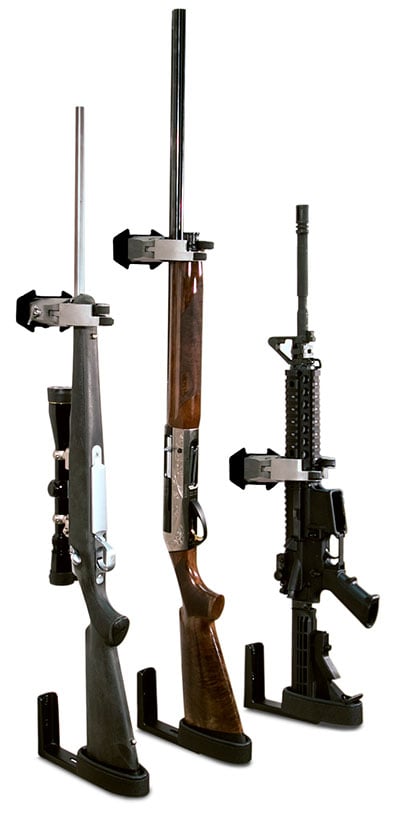
Locking a gun rack with a padlock raises important legal and safety questions. Gun owners must follow laws and keep their firearms safe. Understanding these rules helps prevent accidents and legal trouble. Safety is not just about locking guns but also about planning for emergencies and protecting children.
Local Gun Storage Laws
Laws about gun storage vary by state and city. Some places require guns to be locked away. Others may demand a specific type of lock or safe. Fines and penalties can happen if rules are broken. Check your local laws to know what is needed. This ensures your gun storage is legal and safe.
Child Safety Measures
Children must never reach guns easily. A simple padlock might not be enough to keep kids safe. Use strong locks and secure racks out of children’s reach. Teach children about gun dangers without showing the guns. Safe storage stops accidents and protects your family.
Emergency Access Planning
Quick access to guns may be needed in emergencies. Padlocks can slow down access. Think about how fast you can open the lock. Keep keys or combinations in a known, safe place. Balance safety with easy access for urgent moments.
Maintenance And Regular Checks
Keeping a gun rack locked with a padlock needs regular care. Maintenance helps the lock work smoothly and stay secure. Regular checks prevent problems before they start. This keeps your firearms safe and your lock lasting longer.
Inspecting The Padlock
Check your padlock often for signs of damage. Look for rust, cracks, or bent parts. Test the lock by opening and closing it several times. Make sure the key turns easily. Replace the padlock if it feels sticky or hard to use.
Lubrication And Cleaning
Clean the padlock to remove dirt and dust. Use a dry cloth or soft brush. Avoid water or harsh chemicals that can cause rust. Add a small amount of lubricant inside the keyhole. This helps the lock move smoothly and stops it from sticking.
Replacing Worn Parts
Parts of the padlock can wear out over time. Springs and locking mechanisms may weaken or break. Replace these parts quickly to keep the lock working well. Using worn parts reduces security and can cause the lock to fail.
Frequently Asked Questions
Can I Secure A Gun Rack With A Padlock?
Yes, you can secure a gun rack with a padlock. It adds a basic level of protection by restricting access. However, ensure the padlock and rack are sturdy to prevent easy tampering or break-ins.
What Types Of Padlocks Work Best For Gun Racks?
Heavy-duty, weather-resistant padlocks work best for gun racks. Look for hardened steel shackles and pick-resistant features. These padlocks offer enhanced security and durability, making them ideal for protecting firearms.
Is A Padlock Enough For Gun Safety Compliance?
A padlock may meet minimal safety standards but often isn’t enough. Many laws require gun safes or locked cabinets specifically designed for firearms. Always check local regulations to ensure full compliance.
How Does A Padlock Compare To A Gun Safe?
Padlocks provide basic security, while gun safes offer comprehensive protection. Safes are fire-resistant, harder to break, and often lock electronically. For maximum safety, a gun safe is recommended over just a padlock.
Conclusion
Locking a gun rack with a padlock adds extra security. It helps keep firearms away from unauthorized hands. Choose a strong padlock that fits your rack well. Remember, no lock is completely foolproof. Store guns safely and follow local laws always.
Taking simple steps can protect your family and home. Safety should be the top priority every time. Stay responsible and keep your firearms secure at all times.