Are you worried about the air quality inside your gun safe? Keeping your firearms in perfect condition is more than just locking them away.
Moisture and humidity can cause rust, damage, and reduce the lifespan of your valuable collection. But how can you keep an eye on the air inside your safe without opening it constantly? That’s where a hygrometer comes in. You might be wondering, can you really rely on a hygrometer to track your gun safe’s air quality?
You’ll discover how this simple tool can protect your guns and what you need to know to use it effectively. Keep reading to find out how to safeguard your firearms with ease.

Role Of Air Quality In Gun Safes
Air quality inside a gun safe plays a big part in protecting firearms. Proper air conditions help stop rust and damage. Keeping the air clean and dry extends the life of guns. A gun safe is more than a locked box. It is a controlled space that guards against moisture and dust.
Monitoring air quality helps catch problems early. It ensures the safe environment stays stable. This care helps firearms stay in good shape for years.
Impact On Firearm Longevity
Poor air quality causes rust and corrosion on metal parts. Moisture in the air speeds up this damage. Dust and dirt can clog moving parts inside the gun. Rust weakens the metal and reduces accuracy. Dry air helps prevent rust and keeps guns working well. Stable air stops sudden changes that harm gun finishes. Clean air helps preserve wood and synthetic stocks too.
Common Air Quality Issues
High humidity is the main threat inside gun safes. It promotes rust and mold growth. Dust and debris can enter when the safe is opened. These particles settle on firearms and cause wear. Poor ventilation traps moisture and stale air inside. Temperature swings cause condensation, which damages metal and wood. Regular checks help catch these problems fast.

Hygrometer Basics
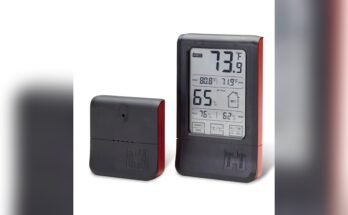
A hygrometer is a tool that measures the moisture level in the air. It helps to keep track of humidity inside spaces like a gun safe. Knowing the humidity is important to protect your firearms from rust and damage. Understanding the basics of hygrometers can help you use them better for your gun safe.
How Hygrometers Work
Hygrometers sense the amount of water vapor in the air. They use different methods to detect humidity. Some use materials that change size or shape when wet. Others use electronic sensors to measure moisture. The tool then shows the humidity as a percentage. This helps you see if the air is dry or damp.
Types Of Hygrometers
There are several types of hygrometers. The most common are analog and digital. Analog hygrometers use a dial and pointer to show humidity. They often have a small coil inside that reacts to moisture. Digital hygrometers use electronic sensors for more precise readings. Some advanced models also show temperature and other data. Choosing the right type depends on your needs and budget.
Tracking Gun Safe Humidity
Tracking humidity inside a gun safe is important to protect firearms. Moisture can cause rust and damage metal parts. A hygrometer helps monitor the air quality by showing humidity levels. Keeping humidity stable stops problems before they start. It also keeps guns in good shape for many years.
Using a hygrometer is a simple way to check humidity. It gives real-time readings inside the safe. This helps gun owners act fast if levels rise too high or fall too low. Understanding how to use a hygrometer improves gun care and safe maintenance.
Ideal Humidity Levels
The best humidity for a gun safe is between 35% and 50%. This range stops rust and mold growth. Humidity below 30% can dry out wooden gun parts. Above 60% can cause metal to corrode. Staying in the right range keeps firearms safe and clean.
Using Hygrometers Effectively
Place the hygrometer inside the gun safe at gun level. Avoid putting it near the door or vents. Check the reading daily or weekly. Use digital or analog hygrometers based on preference. Calibrate the device regularly for accurate results. React quickly if humidity is too high or low to protect guns.
Limitations Of Hygrometers
Hygrometers measure humidity, but they have limits. They give useful data for gun safe air quality but do not tell the full story. Knowing their limits helps you use them better.
What Hygrometers Don’t Measure
Hygrometers only measure moisture in the air. They cannot detect dust, dirt, or chemical pollutants. These factors also affect gun safe air quality. They do not measure temperature changes, which can impact humidity levels too. Using a hygrometer alone may miss these important details.
Potential Accuracy Issues
Hygrometer readings can change over time and lose accuracy. Cheap or old devices may give wrong numbers. Placement inside the safe matters. If the device is near the door or a vent, readings may not represent the whole safe. Regular calibration is needed to keep measurements reliable.
Complementary Tools For Air Quality
Maintaining good air quality inside a gun safe is important to protect firearms from rust and damage. A hygrometer helps track humidity, but other tools work well alongside it. These tools help control moisture and keep the air clean. Together, they create the best environment for your guns.
Dehumidifiers And Silica Gel
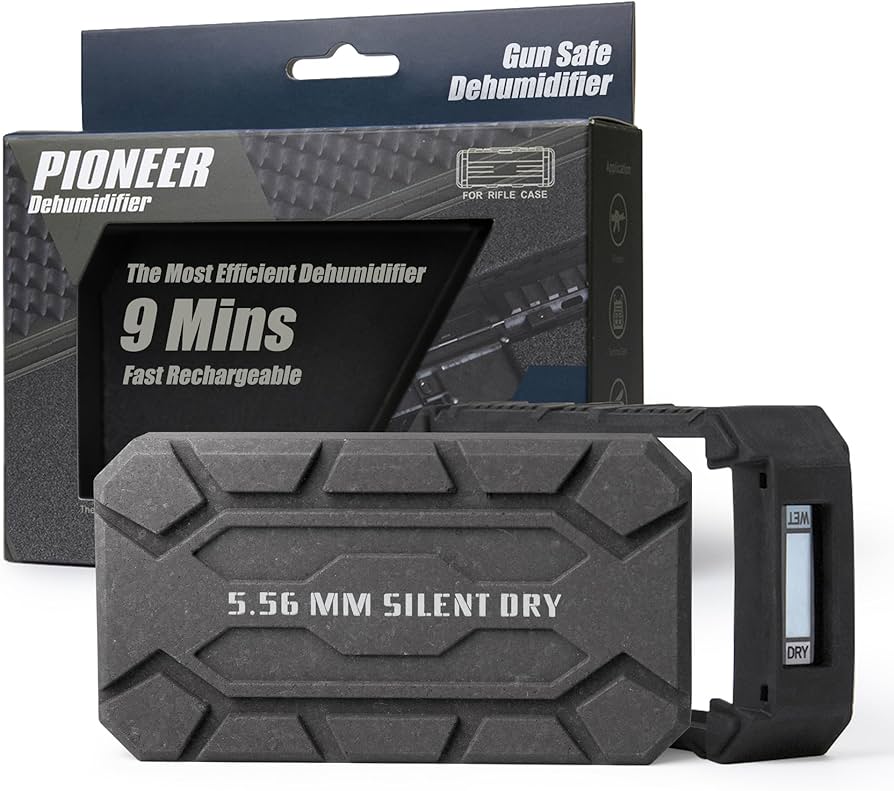
Dehumidifiers reduce moisture in the safe by pulling water from the air. They work continuously to keep humidity low. Silica gel packs absorb moisture and are easy to place inside the safe. They help prevent rust and corrosion by keeping the air dry. Both tools are small and efficient. Use them to keep humidity at safe levels.
Air Purifiers And Ventilation
Air purifiers remove dust and pollutants from the air inside the safe. Cleaner air reduces the chance of damage to metal parts. Ventilation helps air flow and stops moisture from building up. Proper airflow lowers humidity naturally. Combining purifiers and ventilation keeps the safe environment fresh and dry. These tools support the hygrometer’s work for best results.
Maintaining Optimal Gun Safe Conditions
Maintaining optimal conditions inside your gun safe is vital for preserving your firearms. Proper air quality helps prevent rust, corrosion, and damage. A controlled environment keeps your guns in good shape for years.
Using tools like a hygrometer can help track humidity levels inside the safe. This helps you know when to take action to protect your collection. Let’s explore how to monitor and maintain the best conditions.
Routine Monitoring Tips
Check your hygrometer daily or weekly. Record humidity readings to spot trends early. Ideal humidity levels stay between 35% and 50%. Avoid sudden changes to keep guns safe.
Inspect the safe for any signs of moisture or rust. Keep the door closed as much as possible. This limits air exchange and maintains stable humidity inside.
Preventive Measures
Use desiccants or dehumidifiers to control moisture. Replace or recharge these items regularly. Seal any gaps or cracks in the safe to stop air leaks. Proper ventilation prevents mold and mildew.
Store guns dry and clean before placing them inside. Use protective coatings or oils to guard metal parts. These steps reduce the risk of damage from humidity.
Frequently Asked Questions
Can A Hygrometer Accurately Measure Gun Safe Humidity?
Yes, a hygrometer accurately measures humidity inside a gun safe. It helps monitor moisture levels and prevent rust or damage to firearms.
Why Is Air Quality Important In A Gun Safe?
Air quality affects gun preservation. Poor air quality causes rust, mold, and corrosion, reducing the firearm’s lifespan and reliability.
How Often Should I Check My Gun Safe’s Humidity?
Check your gun safe’s humidity weekly or monthly. Frequent monitoring helps maintain optimal conditions and protects your firearms effectively.
Can A Hygrometer Detect Harmful Gases In A Gun Safe?
No, a hygrometer only measures humidity, not harmful gases. Use additional air quality devices for detecting gases like carbon monoxide or mold spores.
Conclusion
A hygrometer can help you track your gun safe’s air quality. It shows humidity levels inside the safe. Keeping humidity low stops rust and damage. Check the hygrometer often to catch changes early. Combine it with a dehumidifier for best results.
Simple tools can protect your firearms well. Stay aware of your safe’s environment. It’s a small step that makes a big difference.