Are you worried about keeping your guns safe from moisture damage? You might have thought about using a room hygrometer to monitor the humidity inside your gun safe.
But can a standard room hygrometer really do the job? Using the wrong tool could leave your firearms at risk without you even knowing it. You’ll discover why choosing the right hygrometer matters for your gun safe and how it can protect your valuable collection.
Keep reading to learn what you need to know to keep your guns in perfect condition.

Purpose Of A Gun Safe Hygrometer
A gun safe hygrometer measures moisture inside your gun safe. It helps keep guns safe from rust and damage. Moisture can cause metal parts to corrode quickly. A hygrometer shows if humidity levels are too high or low. This lets you take action to protect your firearms. Maintaining the right humidity extends the life of your guns.
Many people wonder if a standard room hygrometer works well in a gun safe. Understanding the purpose of a gun safe hygrometer clarifies this question. The device is key to controlling the environment inside your safe.
Importance Of Humidity Control
Humidity control stops rust and mold inside a safe. Guns and ammo need dry air to stay in good shape. Too much moisture causes metal parts to corrode fast. Wood gun stocks can swell or crack with high humidity. Low humidity can dry out leather gun cases. Keeping balanced moisture protects all parts of your firearms.
Role Of Hygrometers In Safes
Hygrometers track moisture levels inside the safe. They alert you to changes in humidity before damage starts. A gun safe hygrometer is designed for small, enclosed spaces. It gives accurate readings in tight conditions. Standard room hygrometers may not work well inside a sealed safe. Safe-specific hygrometers help you keep the ideal humidity. This prevents costly damage to your gun collection.
Types Of Hygrometers
Hygrometers measure humidity levels in the air. Different types exist for various uses. Choosing the right one helps protect your belongings. Gun safes need careful humidity control to avoid rust and damage. Understanding hygrometer types makes your choice easier.
Standard Room Hygrometers
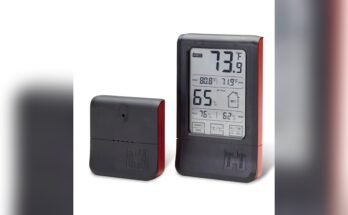
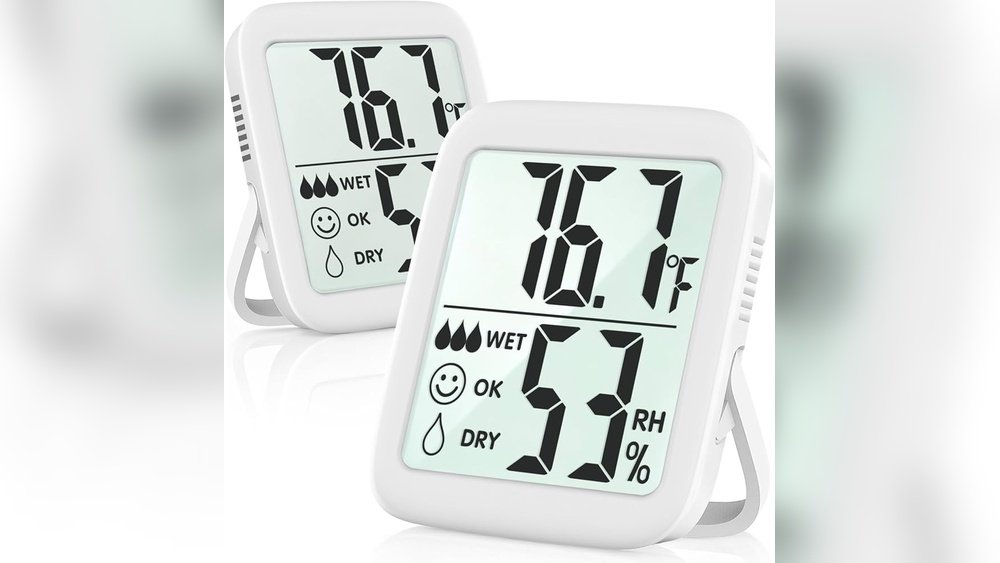
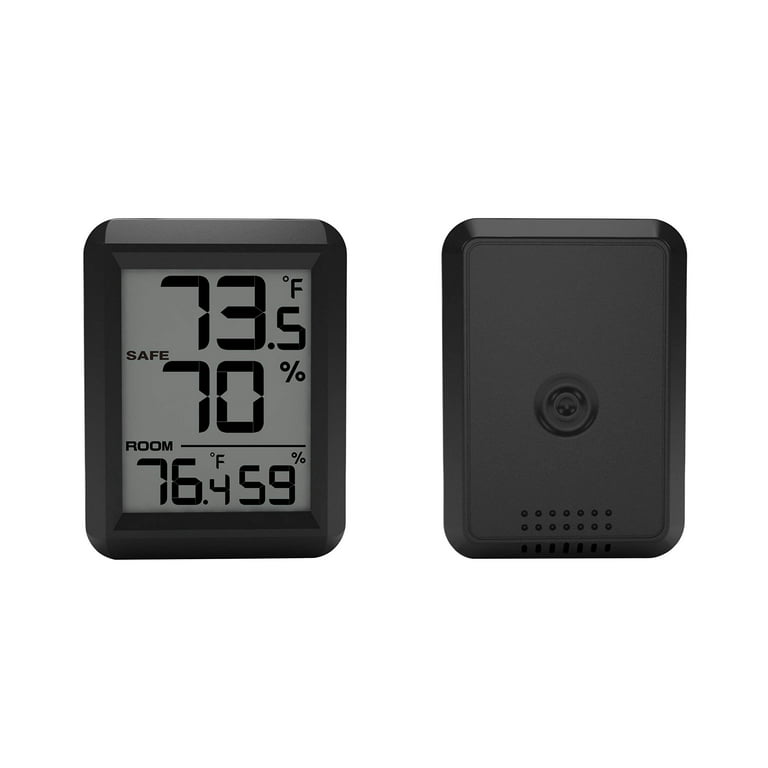
Standard room hygrometers are common and easy to find. They measure humidity in living spaces or offices. These devices are usually simple and low-cost. They work well in open areas with stable air flow. But they may not show accurate readings inside small, sealed spaces. Gun safes are tight and often dark. This can affect how these hygrometers read humidity. Their sensors might not detect changes fast enough. This makes them less reliable for gun safes.
Specialized Gun Safe Hygrometers
Specialized gun safe hygrometers are built for small, enclosed spaces. They give precise readings suited for gun safes. These hygrometers often include features like digital displays or alerts. They help keep humidity in a safe range to protect your guns. Many models resist dust and corrosion inside safes. They react quickly to changes in moisture levels. This ensures your firearms stay rust-free and safe. Investing in a specialized model is smart for gun owners.
Accuracy And Calibration
Accuracy and calibration are key factors when using a hygrometer in a gun safe. The right readings help protect your firearms from moisture damage. Standard room hygrometers might not provide the exact data your gun safe needs. Understanding their accuracy and calibration requirements can save you from costly mistakes.
Differences In Measurement Accuracy
Standard room hygrometers often measure humidity within a broad range. They work well in open areas with stable air flow. Gun safes have tight, enclosed spaces with less air movement. This environment can cause standard hygrometers to show less accurate readings. Specialized gun safe hygrometers are built for these conditions. They offer more precise humidity levels, essential for protecting metal and wood parts of guns.
Calibration Needs For Gun Safes
Calibration keeps a hygrometer’s readings correct over time. Standard room hygrometers may need frequent recalibration in a gun safe. The sealed environment can cause sensors to drift. A simple salt test helps check calibration. If the hygrometer shows wrong numbers, adjust it or replace it. Gun safe hygrometers often come pre-calibrated for better reliability. Regular calibration ensures your safe’s humidity stays within the ideal range.
Environmental Factors Inside Gun Safes
Gun safes protect your firearms from theft and damage. But inside the safe, the environment can change a lot. These changes affect your guns and the tools you use to keep them safe. Understanding these factors helps you choose the right tools, like a hygrometer.
Humidity and temperature inside the safe are not always steady. Small changes can cause big problems. Knowing what affects these changes can help you keep your guns in good condition.
Temperature Fluctuations
Temperatures inside a gun safe can rise or fall quickly. This happens because safes are often in basements, garages, or rooms with no heat control. When temperatures change, moisture inside the safe can turn into condensation.
Condensation can cause rust on metal parts of your guns. It can also affect wood grips and stocks. A standard room hygrometer may not detect these quick changes accurately. Gun safes need tools that respond fast to temperature swings.
Moisture Sources
Moisture comes from many places inside a safe. Damp clothes, wet items, or even air with high humidity can add moisture. Moisture collects inside the safe because it is a closed space with little air flow.
Water vapor can damage your firearms over time. Rust and corrosion start quietly but spread fast. A regular room hygrometer might not measure moisture well in this tight space. Special gun safe hygrometers give better readings for moisture inside safes.
Limitations Of Standard Room Hygrometers
Standard room hygrometers may seem like a simple solution for monitoring humidity in a gun safe. They are widely available and easy to use. But these devices have clear limits that affect their effectiveness in this unique environment.
Gun safes require precise humidity control to protect valuable firearms. Standard room hygrometers are not built to handle the specific conditions inside a gun safe. Their readings can be less accurate and less reliable over time.
Sensitivity To Conditions
Standard room hygrometers often respond slowly to changes in humidity. They may not detect quick shifts that happen inside a closed gun safe. Fluctuations caused by opening the safe or weather changes outside can go unnoticed. These devices may give inaccurate readings under extreme temperatures common in gun safes. This can mislead gun owners about the real humidity level.
Durability Concerns
Room hygrometers are made for typical home environments. They are not designed to withstand the heavy metal and limited airflow inside a gun safe. Moisture buildup and temperature swings can damage the sensor. Over time, this reduces the device’s accuracy and lifespan. Gun safes need hygrometers that can endure tough conditions without failing.
Benefits Of Using Gun Safe-specific Hygrometers
Using a gun safe-specific hygrometer offers clear benefits over standard room devices. These tools help keep your firearms safe from moisture damage. They provide reliable humidity readings tailored to the unique environment inside a gun safe. This improves your ability to protect your collection.
Gun safe-specific hygrometers ensure your safe stays dry and rust-free. They help maintain the right conditions for metal and wood parts. This careful monitoring extends the life of your guns and gear.
Enhanced Accuracy
Gun safe hygrometers measure humidity more precisely in enclosed spaces. They are designed to detect small changes in moisture levels. Standard room hygrometers may give inaccurate readings inside a safe. This happens because room devices react to larger, open areas.
More accurate readings mean better decisions about adding dehumidifiers or silica packs. You avoid over-drying or excess moisture. This balance protects your firearms from rust and corrosion.
Design For Safe Environment
These hygrometers fit perfectly inside gun safes. They use materials that do not damage your guns. Their size suits the limited space inside safes, unlike bulky room models.
Gun safe hygrometers often have features like anti-corrosion coatings. They withstand the unique conditions inside safes better. This design focus keeps readings consistent and reliable over time.
Tips For Maintaining Proper Humidity
Maintaining the right humidity inside your gun safe protects your firearms from rust and damage. Proper humidity control keeps metal parts dry and wood grips from cracking. It also prevents mold and mildew buildup. Small steps can make a big difference in keeping your safe’s environment stable and safe.
Using Desiccants And Dehumidifiers
Desiccants absorb moisture inside the safe. Silica gel packs are common and easy to use. Replace them regularly to keep them effective. Dehumidifiers remove excess moisture from the air. Electric dehumidifiers work well for larger safes. Both tools help maintain a dry and safe space for your guns.
Placement Of Hygrometers In Safes
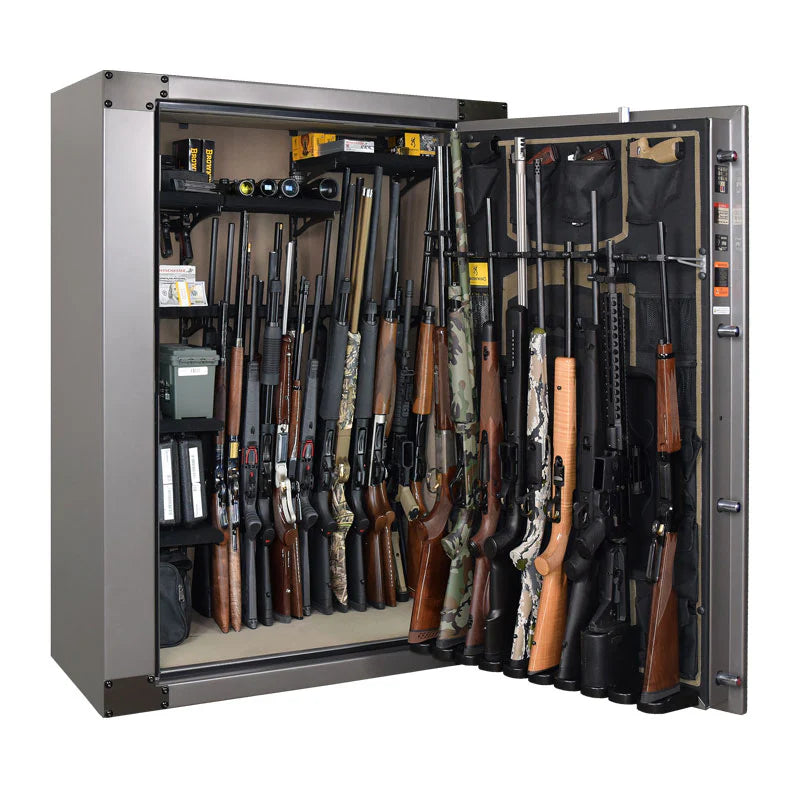
Place the hygrometer where air flows freely inside the safe. Avoid putting it near walls or corners, which may give false readings. Keep it away from heat sources like lights or electronics. Check the hygrometer often to monitor humidity changes. Proper placement ensures accurate humidity levels for your firearms.
When To Replace Or Upgrade Your Hygrometer
Knowing when to replace or upgrade your hygrometer helps protect your gun safe’s contents. A reliable hygrometer keeps humidity levels in check. Over time, devices can lose accuracy or stop working. Upgrading ensures you maintain the right environment for your firearms.
Signs Of Malfunction
Check for inconsistent or strange readings. If the numbers jump quickly or stay the same for days, it may be broken. A damaged screen or buttons that don’t respond also indicate problems. Older hygrometers might fail to detect moisture correctly. These signs show it’s time to replace the device.
Advancements In Hygrometer Technology
New hygrometers offer better accuracy and faster readings. Digital models often include alerts for high humidity. Some connect to smartphones for easy monitoring. Modern sensors last longer and resist damage. Upgrading gives you more control over your gun safe’s climate.
Frequently Asked Questions
Can A Standard Room Hygrometer Work In A Gun Safe?
A standard room hygrometer can measure humidity but may lack accuracy in gun safes. Gun safes require precise humidity control to prevent rust. Specialized hygrometers designed for small, enclosed spaces offer better reliability and protection for firearms.
Why Is Humidity Control Important Inside A Gun Safe?
Humidity control prevents rust and corrosion on firearms and ammunition. Excess moisture damages metal parts and wooden stocks. Maintaining proper humidity extends the lifespan and performance of your guns, ensuring they remain safe and functional.
What Type Of Hygrometer Is Best For Gun Safes?
Digital or analog hygrometers calibrated for small spaces are best. Look for models with high accuracy and fast response times. Some hygrometers also include temperature readings, helping you monitor overall safe conditions effectively.
Can I Rely On A Cheap Hygrometer For My Gun Safe?
Cheap hygrometers often lack accuracy and durability. They may give inconsistent humidity readings, risking firearm damage. Investing in a quality hygrometer ensures precise monitoring and better protection for your valuable guns.
Conclusion
A standard room hygrometer can work in a gun safe, but with limits. It may not measure humidity accurately in small, sealed spaces. A gun safe needs precise humidity control to protect your firearms. Consider using a hygrometer designed for tight, enclosed areas.
This helps keep your guns safe from rust and damage. Monitoring humidity is key to preserving your collection. Choose the right tool for the best results. Your gun safe deserves proper care and attention.