Have you ever checked your gun safe’s hygrometer and wondered if the number you see is really accurate? If you’ve noticed strange fluctuations or unexpected readings, temperature changes might be the hidden culprit.
Understanding how temperature impacts your hygrometer can help you protect your valuable firearms from moisture damage. Keep reading to discover why your hygrometer might be misleading you and what you can do to get the most reliable readings for your gun safe.

How Hygrometers Work
Understanding how hygrometers work helps protect your gun safe’s contents. These devices measure humidity levels inside the safe. Accurate readings help prevent rust and moisture damage.
Types Of Hygrometers
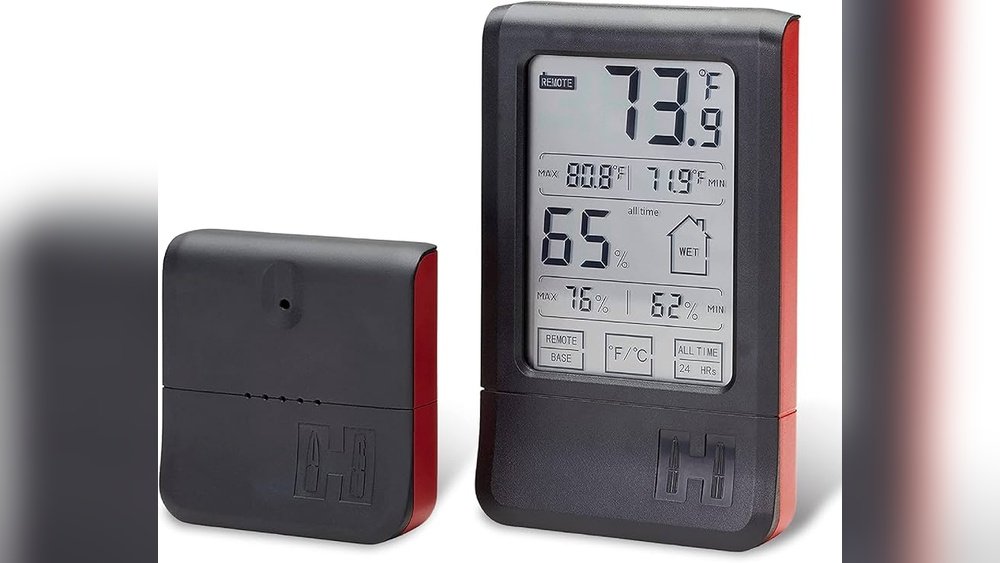
There are several types of hygrometers. Analog hygrometers use materials like hair or paper that change length with humidity. Digital hygrometers use sensors to detect moisture in the air. Each type has pros and cons for gun safes.
Measuring Humidity Basics
Hygrometers measure the amount of water vapor in the air. This is called relative humidity, shown as a percentage. The reading changes with temperature shifts. Warmer air holds more moisture, affecting the sensor’s output. This can cause false readings if the temperature changes quickly.
Impact Of Temperature On Readings
Temperature plays a key role in the accuracy of your gun safe hygrometer readings. Changes in temperature can cause the device to show incorrect humidity levels. This happens because temperature and humidity are closely linked. Understanding this connection helps you keep your gun safe environment stable and your firearms protected.
Temperature And Humidity Relationship
Warm air holds more moisture than cold air. When the temperature rises, the air inside your gun safe can hold more water vapor. This can make the hygrometer show higher humidity. When the temperature drops, the air holds less moisture, so the hygrometer may show lower humidity. This shift can confuse the true moisture level inside your safe.
Also, rapid temperature changes cause moisture to form on cold surfaces. This can lead to false high readings or damage your guns. Keeping the temperature stable helps your hygrometer give more reliable results.
Common Temperature Fluctuations
Gun safes in basements, garages, or near windows face temperature swings. Day and night changes can cause the safe’s internal temperature to rise or fall quickly. Seasonal changes also affect the temperature inside the safe.
These fluctuations can make your hygrometer readings jump up and down. This makes it hard to trust the numbers. Using a temperature-stable location or adding a small heater or dehumidifier inside the safe can help maintain steady readings.
Gun Safe Environment Factors
Understanding the environment inside your gun safe helps maintain your firearms properly. The readings on your safe’s hygrometer can change due to factors in the safe. These changes may affect how your gun safe protects your collection. Knowing what influences these readings is important for safe care.
Temperature Variations Inside Safes
Temperature inside a gun safe often shifts throughout the day. This happens because of changes in the room’s temperature or heating and cooling systems. When temperature rises, air inside the safe holds more moisture. This can cause the hygrometer to show higher humidity. When temperature drops, the air holds less moisture, and readings fall. These shifts do not always mean real changes in moisture levels. Temperature changes alone can make the hygrometer show wrong numbers.
Humidity Sources In Gun Safes
Humidity inside a gun safe comes from many places. Wet or damp items stored inside add moisture to the air. New wood or leather inside the safe can release water vapor. Even moisture from the air outside can enter when you open the safe. This moisture increases the humidity level and affects the hygrometer reading. Some safes have poor seals, which lets humid air leak inside. Controlling these sources helps keep the safe’s humidity steady and protects your guns better.

Accuracy Challenges
Gun safes rely on hygrometers to measure humidity inside. Accurate readings help protect your firearms from rust and damage. Temperature changes can cause problems with these readings. Understanding these accuracy challenges helps you keep your safe in the best condition.
Effects Of Rapid Temperature Changes
Rapid temperature shifts can confuse your hygrometer. The sensor inside may react slowly or give false readings. This happens because moisture in the air changes with temperature. A quick cold or hot change can make the sensor lag behind actual humidity.
Your safe’s location matters. Placing it near heaters or windows increases temperature swings. This leads to unstable and unreliable humidity readings. The gun safe may show too dry or too wet conditions. Trusting these numbers can cause wrong decisions about moisture control.
Calibration Issues
Hygrometers need proper calibration for accurate results. Over time, they can drift and show wrong humidity levels. Temperature changes can speed up this drifting. The sensor’s sensitivity may decrease or become inconsistent.
Regular calibration ensures your hygrometer stays reliable. Without it, you might over-humidify or dry out your safe. Both can harm your guns. A simple calibration check every few months keeps readings trustworthy despite temperature changes.
Maintaining Reliable Readings
Maintaining reliable readings from your gun safe hygrometer is vital to protect your firearms. The right humidity level prevents rust and damage. Temperature changes can affect the hygrometer’s accuracy. Small shifts can cause the device to show wrong humidity levels.
Regular care and smart placement help keep readings steady. Using controls for temperature and humidity also improves accuracy. These steps ensure your hygrometer shows the true environment inside your safe.
Placement Tips For Hygrometers
Place the hygrometer away from direct contact with the safe’s walls. Walls can be colder or warmer, causing false readings. Keep it at the center or on a shelf inside the safe. Avoid placing it near the door, where air moves often.
Do not put the hygrometer near sources of heat or cold. Avoid placing it near lights or vents. Stable air around the device helps it measure humidity better. Check the placement if the readings seem strange or change fast.
Using Temperature And Humidity Controls
Use desiccants or moisture absorbers to manage humidity levels. They keep the air inside the safe dry and stable. Consider a small electric dehumidifier for large safes in humid areas.
Try to keep the safe in a room with steady temperature. Avoid places with wide temperature swings like garages or attics. A thermostat or heater can help maintain a stable room temperature.
Monitor both temperature and humidity regularly. This helps catch problems early and keep your firearms safe.
Protecting Firearms From Humidity
Protecting firearms from humidity is crucial to keep them in good condition. Humidity inside a gun safe can cause rust, corrosion, and damage. These problems reduce the gun’s value and reliability. Maintaining the right humidity level helps preserve firearms for years.
Using a reliable hygrometer helps monitor moisture inside the safe. Understanding how humidity affects guns guides better storage choices. This keeps firearms safe and ready for use.
Risks Of High Humidity
High humidity causes metal parts to rust quickly. Rust weakens the gun’s structure and function. Moisture can damage wooden or leather parts too. Mold and mildew grow in damp conditions. This damages gun cases and cleaning materials. High humidity also causes metal to swell or warp. This affects gun accuracy and safety.
Preventive Measures
Keep the gun safe in a dry, cool place. Use silica gel packs or dehumidifiers inside the safe. Check the hygrometer reading often to track humidity. Open the safe occasionally to let air circulate. Avoid placing the safe near heat or water sources. Clean and oil firearms regularly to protect metal parts. Store guns in cloth sleeves to absorb moisture.
Frequently Asked Questions
Can Temperature Fluctuations Affect Gun Safe Hygrometer Accuracy?
Yes, temperature changes can cause a hygrometer to give inaccurate humidity readings inside your gun safe. Rapid shifts affect sensor performance.
Why Does My Gun Safe Hygrometer Show Different Readings?
Hygrometer readings vary due to temperature swings and humidity levels. Calibration and placement also impact the accuracy of the device.
How Can I Stabilize My Gun Safe Hygrometer Readings?
Keep your gun safe in a temperature-controlled environment. Avoid direct sunlight and sudden temperature changes for steady hygrometer performance.
Does Humidity Inside A Gun Safe Change With Temperature?
Yes, humidity inside your gun safe fluctuates as temperature changes. Warm air holds more moisture, altering relative humidity readings.
Conclusion
Temperature changes can cause your gun safe hygrometer to show wrong readings. This happens because heat or cold affects the moisture inside the safe. Keep your safe in a stable place to get the best results. Check the hygrometer often to know if it works right.
Using a good quality hygrometer helps you trust the numbers. Protect your guns by watching humidity levels carefully. Small steps make a big difference for gun safety. Stay aware and keep your safe dry and secure.