You rely on your gun safe to protect what matters most. But what if the tool you use to keep its environment just right isn’t working properly?
Your hygrometer plays a key role in monitoring humidity inside the safe. If it’s broken, your firearms and valuables could be at risk without you even knowing. How can you tell if your gun safe hygrometer is giving you the right readings?
Keep reading to discover the simple signs of a faulty hygrometer and what you can do to fix it before damage occurs. Your peace of mind depends on it.
Role Of A Hygrometer In Gun Safes
A hygrometer measures the humidity inside a gun safe. It helps protect firearms from moisture damage. Moisture can cause rust, corrosion, and weaken gun parts. A good hygrometer lets you keep the safe’s humidity at the right level.
Without a working hygrometer, you cannot tell if the air inside is too wet or dry. This makes your guns vulnerable. The hygrometer acts as a guard for your collection. It alerts you to take action before damage occurs.
Why Humidity Matters
Humidity affects the condition of guns and ammo. High humidity causes rust and metal decay. Low humidity can dry out wooden stocks and seals. Both extremes harm the gun’s performance and value.
Maintaining stable humidity extends the life of your firearms. It keeps metal parts strong and wood parts healthy. A proper humidity level also prevents mold and mildew growth inside the safe.
Types Of Hygrometers Used
There are several types of hygrometers for gun safes. Analog hygrometers use a dial to show humidity levels. They are simple and need manual calibration.
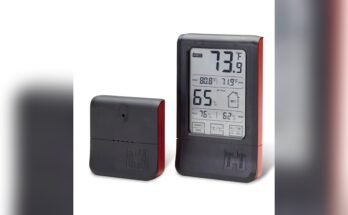
Digital hygrometers give precise readings on a screen. They often include temperature sensors and alarms. Digital models are easy to read and more accurate.
Some advanced safes have built-in humidity monitors. These combine sensors with automatic dehumidifiers. They keep the safe environment stable without extra effort.
Common Issues With Hygrometers
Hygrometers in gun safes keep track of humidity levels. This helps protect guns from rust and damage. Sometimes, these devices show wrong numbers or stop working. This can lead to moisture problems inside the safe. Knowing common issues helps you spot a broken hygrometer early.
Calibration Problems
Hygrometers need to be set correctly to show true humidity. Over time, they can lose accuracy. A wrong reading might mean it needs recalibration. Some models have a small screw for adjustment. Without proper calibration, the device gives false information.
Physical Damage
Dropping or hitting the hygrometer can break its parts. Cracks or dents may stop it from working right. Moisture or dust inside the device also causes damage. Check the hygrometer for visible signs of harm. Damaged sensors often lead to bad readings.
Battery And Power Failures
Electronic hygrometers rely on batteries for power. Dead or weak batteries cause the device to stop or reset. Some models have power switches that can turn off by mistake. Always check the battery life and connections. Replace old batteries to keep the hygrometer running well.
Five Clear Signs Of A Broken Hygrometer
Knowing if your gun safe hygrometer is broken helps protect your firearms. A faulty hygrometer can cause wrong humidity readings. This can damage your guns over time. Here are five clear signs to watch for. They tell you when your hygrometer needs fixing or replacing.
Inconsistent Readings
The hygrometer shows different numbers every time you check. The changes do not match the actual room conditions. This means the device is not stable. It can’t give you reliable humidity levels.
No Response Or Display
The screen or needle does not move at all. The hygrometer stays blank or frozen. This means it is not working. It fails to measure or show humidity.
Stuck Needle Or Display
The needle stays in one place, even if humidity changes. Digital displays freeze on one number. This is a sign the internal parts are stuck or broken.
Sudden Extreme Changes
The reading jumps quickly from low to very high numbers. These big swings do not match the environment. It shows the sensor is faulty or damaged.
Mismatch With External Devices
Your hygrometer shows different humidity than other trusted devices. The difference is large and lasts over time. This proves your hygrometer is not accurate.

Testing Your Hygrometer’s Accuracy
Testing your gun safe hygrometer’s accuracy is key to protecting your firearms. A wrong reading can cause too much moisture or dryness inside. This can lead to rust or damage. Simple tests help check if your device works well.
Try these easy methods to see if your hygrometer shows correct humidity levels. These tests take little time and need few tools. Keep your guns safe by knowing your hygrometer’s true performance.
Salt Test Method
The salt test is a popular way to check hygrometer accuracy. You need table salt, water, and a small container. Put salt in the container and add a little water. The salt should be wet but not dissolved.
Place your hygrometer and the container inside a sealed plastic bag. Wait 8-12 hours without opening the bag. The humidity inside will stabilize at 75%. Check your hygrometer reading after waiting.
If the reading is far from 75%, your device needs adjustment or replacement. This test is simple and reliable for any analog hygrometer.
Comparison With Digital Devices
Use a digital hygrometer to compare readings easily. Digital models often provide more precise results. Place both hygrometers side by side in the same environment.
Wait a few hours for both to adjust to the room humidity. Compare their readings carefully. A difference greater than 5% means your older device may be broken or inaccurate.
Testing with a digital device helps confirm if your hygrometer shows true humidity. It’s a quick way to spot problems before damage occurs.
Fixing Or Replacing A Faulty Hygrometer
A faulty hygrometer can give wrong readings and affect your gun safe’s humidity control. Fixing or replacing it ensures your firearms stay protected. This section guides you through recalibrating a broken hygrometer and deciding when to replace it. It also helps you pick a reliable new one.
Recalibration Steps
Start by testing your hygrometer with the salt test. Place salt in a small container inside a sealed plastic bag with the hygrometer. Wait eight hours. The reading should be around 75% humidity. If it’s off, adjust the dial or reset the device if it has one. Repeat the test to confirm accuracy. This simple step can fix many common errors.
When To Replace
Replace the hygrometer if it shows no change during recalibration. Also, swap it if it breaks physically or gives wildly different readings over time. A poorly working hygrometer risks your guns’ safety. If recalibration fails twice or more, replacement is the best option. A fresh device ensures accurate humidity control.
Choosing A Reliable Replacement
Choose a digital or analog hygrometer with good reviews. Look for models with easy calibration and clear readings. A reliable device lasts longer and stays accurate. Consider one with a built-in calibration feature. Check that it fits your safe size and style. A trusted brand offers better support and durability.
Maintaining Ideal Conditions In Gun Safes
Maintaining ideal conditions inside a gun safe is essential to protect firearms from damage. Proper temperature and humidity levels stop rust and corrosion. A stable environment keeps guns in good shape over time.
Checking the hygrometer regularly helps keep these conditions steady. A broken or inaccurate hygrometer can give wrong readings. This may lead to unsafe humidity levels inside the safe.
Using Dehumidifiers
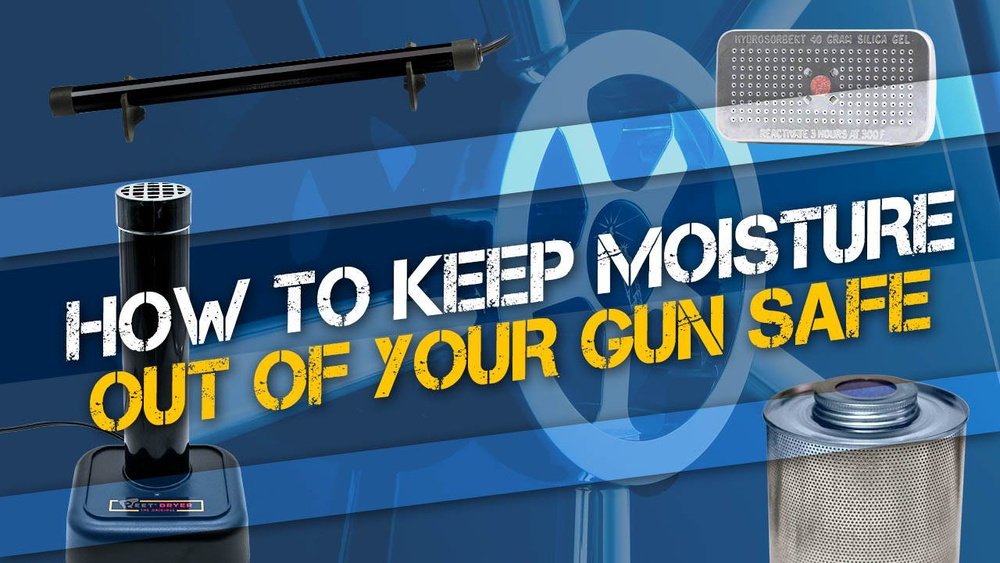
Dehumidifiers control moisture inside your gun safe. They remove excess water from the air to prevent rust. Simple desiccant packs or electric dehumidifiers work well. Choose one based on your safe’s size and location.
Place the dehumidifier where air flows freely. Replace or recharge it as recommended. This keeps the safe dry and your guns protected.
Regular Monitoring Tips
Check the hygrometer daily or weekly. Compare readings with a known accurate device. Watch for sudden changes or consistently high humidity levels.
Clean the hygrometer sensor gently to ensure accuracy. Avoid placing the safe near heat or moisture sources. Keep a log of readings to spot trends early.
Frequently Asked Questions
How Can I Test If My Gun Safe Hygrometer Is Accurate?
To test accuracy, use a salt test or compare it with a reliable digital hygrometer. This ensures your hygrometer shows correct humidity levels inside the safe.
What Are Common Signs Of A Broken Hygrometer?
A broken hygrometer may show constant 0% or 100% humidity, or no change over time. Erratic or stuck readings also indicate malfunction.
How Often Should I Calibrate My Gun Safe Hygrometer?
Calibrate your hygrometer every 6 months for best accuracy. Regular calibration helps maintain proper humidity control and protects your firearms.
Can Extreme Temperatures Affect My Hygrometer Readings?
Yes, extreme heat or cold can skew hygrometer readings. Keep the safe in a stable environment for reliable humidity monitoring.
Conclusion
A broken gun safe hygrometer can cause serious problems. You might notice strange readings or no change at all. Check it regularly to keep your guns safe from moisture damage. Simple tests help you know if it works right. Replace it quickly if you see errors.
Keeping your safe’s humidity in control protects your firearms well. Trust your senses and tools to keep everything in good shape. Stay alert to avoid costly damage and keep your collection secure.