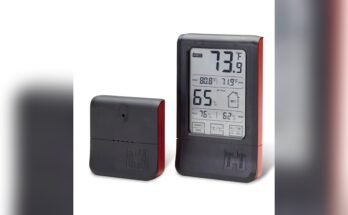
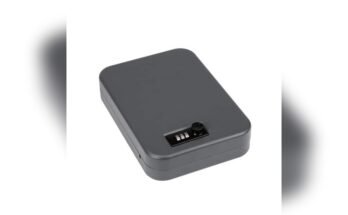
If you own a gun safe, you already know how important it is to protect your firearms. But have you thought about the moisture inside your safe?
Even a small amount of humidity can cause rust and damage to your guns over time. That’s where a hygrometer comes in—it measures the moisture levels inside your safe. But how often should you check it? Knowing the right frequency can save your firearms from costly damage and keep them in top condition.
Keep reading to find out exactly when and why you need to monitor your gun safe’s humidity.
Ideal Hygrometer Check Frequency
Knowing the right time to check your gun safe hygrometer helps protect your firearms. A good check frequency keeps moisture levels stable. It prevents rust and damage over time. Checking too often can be tiring. Checking too little risks unseen problems. Find a balance that suits your needs and environment.
Daily Vs Weekly Monitoring
Daily checks suit very humid or changing climates. They catch quick moisture shifts early. This helps stop rust before it starts. For stable homes, weekly checks work well. Weekly monitoring saves time and still keeps good control. Adjust based on how fast humidity changes in your area.
Seasonal Adjustments
Seasons change humidity inside your safe. Check more often during spring and fall. These seasons bring moisture swings that can harm guns. In winter and summer, checks can be less frequent. Adjust your schedule to match weather and home conditions. This keeps your firearms safe all year.
Factors Influencing Check Intervals
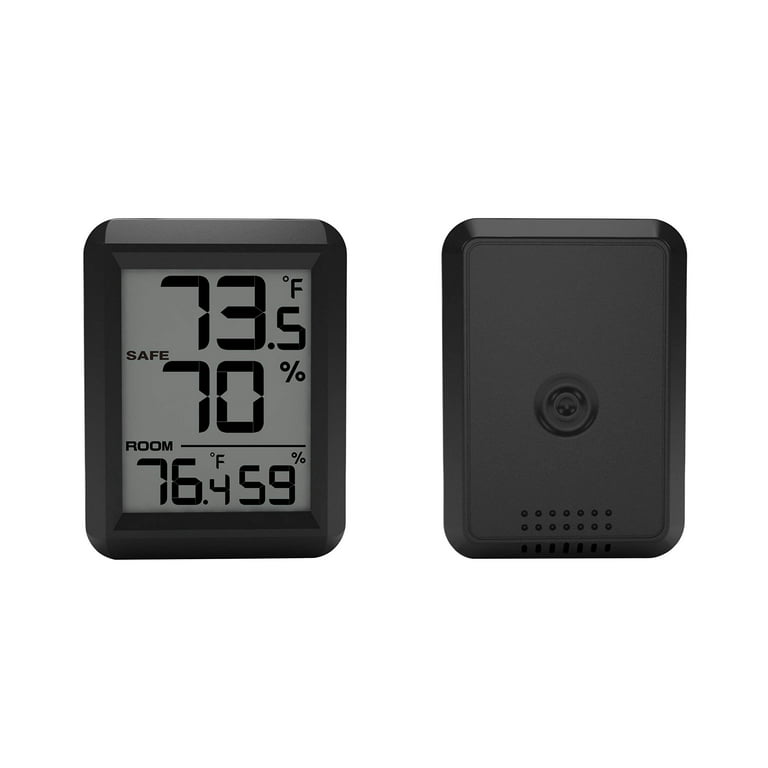
Knowing how often to check your gun safe hygrometer depends on several key factors. These factors affect moisture levels inside the safe and the condition of your firearms. Understanding them helps set the right check intervals. It prevents damage from rust or mold.
Climate And Humidity Levels
Places with high humidity need more frequent checks. Moist air makes rust more likely. Dry climates allow longer times between checks. Seasonal changes also matter. Humidity rises in summer and drops in winter. Adjust your checking schedule to match local weather.
Safe Location And Insulation
The room or area where your safe sits changes moisture levels. Basements and garages often have more dampness. Well-insulated rooms keep humidity steady. Safes near windows or doors face more air changes. These conditions require more regular hygrometer checks to catch moisture early.
Gun Safe Usage Patterns
How often you open your gun safe affects humidity inside. Frequent opening lets moist air enter. This can cause spikes in humidity. If you use your safe daily, check the hygrometer more often. For rarely opened safes, monthly checks may be enough.
Signs To Check More Often
Knowing when to check your gun safe hygrometer more often can protect your firearms. Some signs mean you should monitor humidity levels closely. These signs warn you about possible damage from moisture. Acting quickly can save your guns from rust and corrosion.
Visible Moisture Or Rust
Spotting water drops inside your safe is a clear warning. Moisture can form from high humidity or leaks. Rust on your guns or safe parts shows damage already started. Check the hygrometer more often to catch problems early. Keep the humidity in the safe at a safe level to prevent rust.
Unusual Smells Or Condensation
A musty or damp smell inside the safe is a bad sign. It means moisture is trapped inside, even if you can’t see it. Condensation on the walls or door also signals high humidity. These signs mean you must check the hygrometer daily. Controlling moisture helps keep your guns safe and clean.

Hygrometer Calibration Tips
Keeping your gun safe’s hygrometer calibrated is key for accurate humidity readings. Accurate readings help protect your firearms from rust and damage. Calibration ensures you trust the numbers you see every day.
Regular checks and simple adjustments keep your hygrometer working well. Even a small error can lead to wrong humidity levels. This section shows easy ways to test and adjust your hygrometer.
How To Test Accuracy
Start by using the salt test to check accuracy. Place a teaspoon of salt in a small cup. Add a few drops of water to make it damp, not wet. Put the cup and your hygrometer in a sealed plastic bag. Wait at least eight hours without opening it.
After waiting, check the hygrometer reading. It should show about 75% humidity. If it’s far from 75%, your hygrometer needs adjustment or replacement. This test is simple and works well for all types.
Adjusting Your Hygrometer
Some hygrometers have a small screw or dial for calibration. Use a tiny screwdriver to turn this screw gently. Adjust until the reading matches 75% after the salt test. Digital models may need a reset or recalibration button.
Make small adjustments and test again to be sure. Repeat the salt test after each change. Proper calibration helps keep your gun safe at the right humidity level.
Maintaining Optimal Humidity
Maintaining optimal humidity inside your gun safe is crucial. Too much moisture causes rust and damage. Too little humidity can dry out wooden stocks and other materials. Monitoring and controlling moisture levels keeps your firearms safe and in good condition.
Check your gun safe hygrometer regularly to stay aware of humidity changes. This helps you act quickly before problems start. Proper humidity control extends the life of your guns and accessories.
Using Dehumidifiers And Desiccants
Dehumidifiers remove excess moisture from the air inside the safe. They keep humidity at safe levels below 50%. Choose electric dehumidifiers for larger safes or humid areas. Small safes can use desiccant packs. These absorb moisture naturally and need replacement every few months.
Place dehumidifiers or desiccants where air flows freely. This allows better moisture absorption. Check them regularly and replace or recharge as needed. This prevents mold, rust, and corrosion inside your safe.
Safe Ventilation Practices
Good ventilation prevents trapped moisture. Avoid sealing your safe completely airtight. Some airflow helps balance humidity levels. Use vents or small fans designed for gun safes. These improve air circulation without compromising security.
Regularly inspect vents for dust or blockages. Clean them to maintain airflow. Proper ventilation works with dehumidifiers and desiccants to keep the safe dry. This combination protects your firearms effectively over time.
Tech Upgrades For Monitoring
Tech upgrades have made monitoring your gun safe’s humidity easier. These tools help keep your guns safe from rust and damage. They give quick, clear information without constant checking. You can trust technology to keep your safe’s environment stable. Let’s explore some smart options for monitoring your gun safe.
Digital Hygrometers With Alerts
Digital hygrometers show exact humidity levels on a screen. They are more accurate than old-fashioned models. Some come with alert features. These alerts warn you if humidity goes too high or low. You can act fast to protect your guns. Alerts come by sound, light, or phone notifications. This saves you from constant manual checks. Digital models often have easy-to-read displays too.
Smart Safe Integration
Smart safe integration connects your hygrometer to your home system. This lets you monitor humidity from your phone. You get updates even when away from home. Some smart safes adjust humidity automatically. They control dehumidifiers or humidifiers inside the safe. This keeps conditions perfect without your input. Integration adds convenience and peace of mind. It makes gun care simple and reliable.

Frequently Asked Questions
How Often Should I Check My Gun Safe Hygrometer?
Check your gun safe hygrometer at least once a week. Regular checks ensure optimal humidity levels to prevent rust and damage.
What Is The Ideal Humidity Level For A Gun Safe?
Maintain humidity between 40% and 50% inside your gun safe. This range protects firearms from rust without causing wood damage.
Can A Faulty Hygrometer Harm My Gun Collection?
Yes, inaccurate readings can lead to high humidity, causing rust. Regular calibration and monitoring prevent damage to your firearms.
How Do I Calibrate My Gun Safe Hygrometer?
Use a salt test to calibrate your hygrometer monthly. This method ensures accurate humidity readings for safe firearm storage.
Conclusion
Checking your gun safe hygrometer regularly protects your firearms. Aim to check it at least once a week. This helps catch any moisture problems early. Moisture can cause rust and damage your guns. Keeping humidity in the safe balanced is important.
Replace batteries or recalibrate the hygrometer when needed. Small steps keep your collection safe and sound. Stay consistent with checks to avoid costly repairs. Protect your investment by monitoring humidity often. Easy to do, worth the effort.