Are you worried that your gun safe hygrometer isn’t giving accurate readings? If your valuable firearms aren’t stored in the right humidity, they could rust or get damaged over time.
But don’t panic—fixing those inaccurate readings is easier than you think. You’ll discover simple, effective steps to make sure your hygrometer gives you the right information every time. Keep reading to protect your collection and gain peace of mind.
Common Causes Of Inaccurate Readings
Inaccurate readings on a gun safe hygrometer can cause frustration and lead to improper humidity control. Understanding the common causes helps fix these errors quickly. It saves your firearms and valuables from damage caused by wrong humidity levels.
Placement Issues
Where you put the hygrometer affects its accuracy. Avoid placing it near vents, doors, or windows. These spots have fluctuating air that gives false readings. Keep the device inside the safe, away from direct contact with the walls. This helps measure the true humidity inside the safe.
Calibration Problems
Hygrometers need calibration to stay accurate. Over time, the device may drift from the correct reading. Check the calibration regularly using a salt test or a calibration kit. Reset the device if the reading is off by more than a few points. This keeps your measurements reliable.
Environmental Factors
Extreme temperatures and rapid changes in humidity can confuse the hygrometer. Gun safes in garages or basements face these conditions often. Try to maintain a stable environment around the safe. Use dehumidifiers or humidifiers if needed. Stable surroundings help the hygrometer work better.
Device Malfunctions
Sometimes, the hygrometer itself can fail. Old or poor-quality devices may give wrong readings. Battery-powered models can show errors if the battery is weak. Replace batteries regularly and consider upgrading to a digital hygrometer. Reliable devices reduce the chance of mistakes.
Choosing The Right Hygrometer
Choosing the right hygrometer is key to getting accurate humidity readings inside your gun safe. A good hygrometer helps protect your firearms from moisture damage. Not all hygrometers work the same. You need one that fits your needs and gives reliable results.
Digital Vs Analog
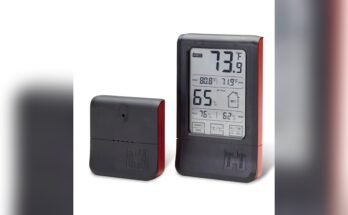
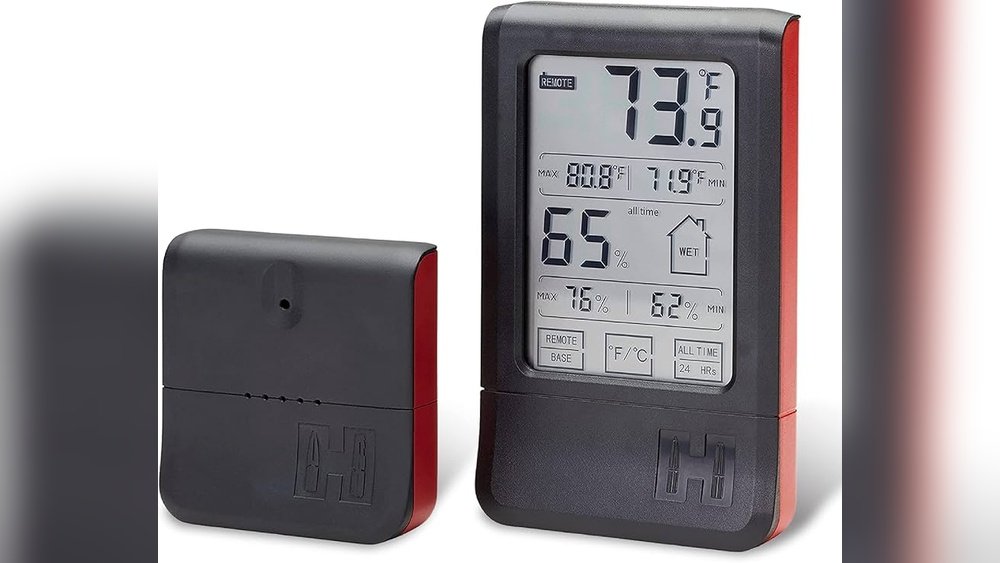
Digital hygrometers show humidity on a clear screen. They are easy to read and often more precise. Some models have extra features like temperature display and alerts.
Analog hygrometers use a dial and needle. They look simple and do not need batteries. But they can be less accurate and harder to read in low light.
Accuracy Ratings
Accuracy is how close the reading is to the real humidity level. A good hygrometer should have an accuracy of ±2% to ±3%. Check the product details to find this rating.
Lower accuracy means bigger errors in readings. This can cause problems for your gun safe environment.
Recommended Brands
Look for brands known for quality and reliability. Some popular options include AcuRite, Ambient Weather, and ThermoPro. They offer both digital and analog models.
Reading customer reviews can help you choose a trusted product. Reliable brands often provide good customer support too.
Calibrating Your Hygrometer
Calibrating your hygrometer ensures it shows correct humidity levels inside your gun safe. An accurate reading protects your firearms from rust and damage. Regular calibration keeps your hygrometer reliable. It is a simple process anyone can do at home.
Salt Test Method
The salt test method is an easy way to check your hygrometer’s accuracy. Place a small cup of salt in a sealed plastic bag. Add a few drops of water to make the salt wet but not dissolved. Put your hygrometer inside the bag without touching the salt. Seal the bag and wait for 8 to 12 hours. The hygrometer should read 75% humidity. Adjust your device if the reading is different.
Using A Calibration Kit
Calibration kits come with a salt solution or a humidity chamber. Follow the kit instructions to place your hygrometer inside the chamber. The kit creates a stable humidity level for accurate testing. After waiting for the recommended time, check the reading. Compare it to the kit’s standard value. Adjust your hygrometer if needed. These kits offer a precise way to keep your device accurate.
Adjusting Digital Hygrometers
Digital hygrometers often have a calibration button or screw. Use the salt test or calibration kit first. After knowing the error, press the calibration button or turn the screw. Adjust until the reading matches the correct humidity level. Some digital models allow calibration through a small menu. Read your device’s manual for exact steps. Proper adjustment improves your gun safe’s protection.

Optimizing Hygrometer Placement
Optimizing the placement of your gun safe hygrometer is key to getting accurate readings. The right spot helps the device measure humidity correctly. This avoids false readings that can lead to damage inside the safe. Small changes in where you put the hygrometer can make a big difference.
Avoiding Direct Contact With Walls
Do not place the hygrometer against the safe’s walls. Metal walls can affect the sensor. They may cause the hygrometer to show wrong numbers. Leave some space between the device and the walls. This allows air to flow freely around the sensor. Better airflow means better accuracy.
Keeping Away From Moisture Sources
Keep the hygrometer far from water or damp spots. Moisture near the device can cause spikes in humidity readings. Avoid placing it near wet items or inside water-damaged areas. Check for leaks or condensation inside the safe. A dry, stable place is best for correct readings.
Ideal Height Inside The Safe
Place the hygrometer at eye level or slightly above. This height avoids cold or warm air pockets near the floor or ceiling. The middle area inside the safe usually has the most stable air. A well-positioned hygrometer gives a true picture of humidity inside.
Maintaining Consistent Humidity Levels
Maintaining consistent humidity levels inside your gun safe is vital. It prevents rust and damage to your firearms. A steady environment keeps your guns in top condition. Small changes in humidity can cause big problems over time. Using the right tools and habits helps control moisture effectively.
Using Humidity Control Packs
Humidity control packs absorb excess moisture inside the safe. They keep the air dry without chemicals. These packs are easy to place and replace. Choose packs designed for gun safes for best results. They help maintain a stable humidity level continuously.
Regular Monitoring
Check your hygrometer often to track humidity levels. Make it a habit to monitor at least once a week. This helps catch any changes early. Keeping an eye on readings avoids damage to your collection. Note any sudden spikes or drops immediately.
Replacing Control Packs Timely
Control packs lose effectiveness over time. Replace them according to the manufacturer’s instructions. Usually, packs last between one and three months. Timely replacement ensures your safe stays dry and secure. Don’t wait for signs of moisture before changing packs.
Troubleshooting Persistent Issues
Persistent issues with a gun safe hygrometer can cause frustration. Accurate humidity readings protect your firearms and gear. Fixing these problems keeps your safe environment stable. Follow these steps to troubleshoot and solve ongoing errors.
Resetting The Device
Start by resetting the hygrometer to clear errors. Remove it from the safe and switch it off. Wait a few minutes before turning it back on. This simple action often restores correct readings. If your device has a reset button, press it gently. Check the manual for specific reset instructions. After resetting, place the hygrometer back inside the safe. Monitor the readings for a few hours to confirm accuracy.
When To Replace The Hygrometer
Old or damaged hygrometers lose accuracy over time. Signs include constant wrong readings or no response. If resetting does not work, consider replacement. Choose a quality device with good reviews. Digital models tend to be more reliable. Replace batteries regularly to avoid false readings. A new hygrometer ensures your gun safe stays protected.
Consulting Professional Help
Some issues need expert advice for proper fixing. Contact a safe technician or a specialist in humidity control. Professionals can test the device and safe environment. They may suggest better placement or recommend advanced tools. Don’t hesitate to ask for help if problems persist. Expert support saves time and prevents damage to your collection.
Frequently Asked Questions
How Do I Calibrate A Gun Safe Hygrometer?
To calibrate, use a salt test. Place salt and water in a sealed bag with the hygrometer. Wait 6-8 hours and adjust the reading to 75% humidity. This ensures accurate moisture levels inside your gun safe.
Why Are My Hygrometer Readings Inconsistent?
Inconsistent readings often result from poor calibration or placement near vents. Keep the hygrometer away from direct airflow and recalibrate regularly for reliable measurements.
Can Humidity Damage Firearms In A Safe?
Yes, high humidity causes rust and corrosion on firearms. Maintaining 45-55% humidity inside the safe prevents moisture damage and preserves your guns’ condition.
How Often Should I Check My Gun Safe Hygrometer?
Check your hygrometer at least once a month. Regular monitoring helps detect humidity fluctuations early, protecting your firearms from potential damage.
Conclusion
Fixing inaccurate readings on your gun safe hygrometer keeps your firearms safe. Regular calibration helps maintain correct humidity levels. Clean the device gently to avoid false readings. Place the hygrometer away from direct heat or cold. Check batteries often if your model uses them.
These steps ensure your gun safe stays dry and secure. Accurate readings protect your guns from rust and damage. Keep your equipment reliable with simple, regular care. Small efforts make a big difference in gun preservation.