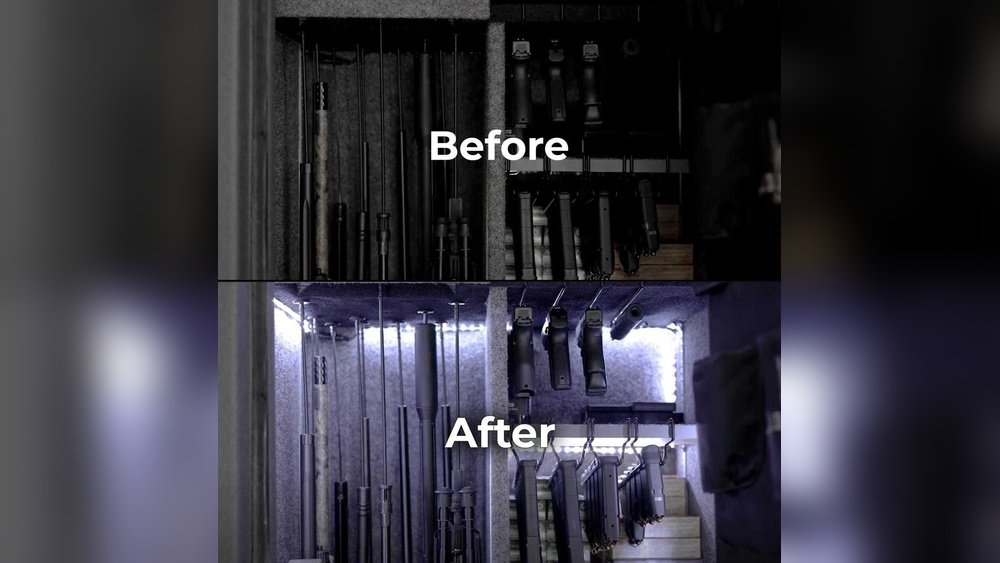
Are you tired of messy wires ruining the clean look around your gun safe lights? You want your safe to look neat and professional, but those cables just won’t stay hidden.
Don’t worry—you’re not alone. Finding the best way to hide wiring can be tricky, but it’s easier than you think. You’ll discover simple, effective methods to keep your wiring out of sight while making your gun safe lighting look sharp and seamless.
Ready to transform your setup and enjoy a clutter-free space? Let’s dive in!
Choosing The Right Lights
Choosing the right lights for your gun safe is key to a clean, safe setup. Good lighting helps you see your firearms clearly without straining your eyes. It also adds a professional look inside the safe. The right lights should be bright, energy-efficient, and easy to install. You want lights that blend well with your safe’s interior and hide wiring neatly.
Types Of Gun Safe Lights
Gun safe lights come in many types. LED lights are popular for their brightness and low heat. They last a long time and use little energy. Strip lights fit well along the edges inside the safe. They give even light without shadows. Small puck lights can be placed in corners or on shelves. Motion sensor lights turn on when you open the door. This saves battery and adds convenience.
Battery Vs. Wired Options
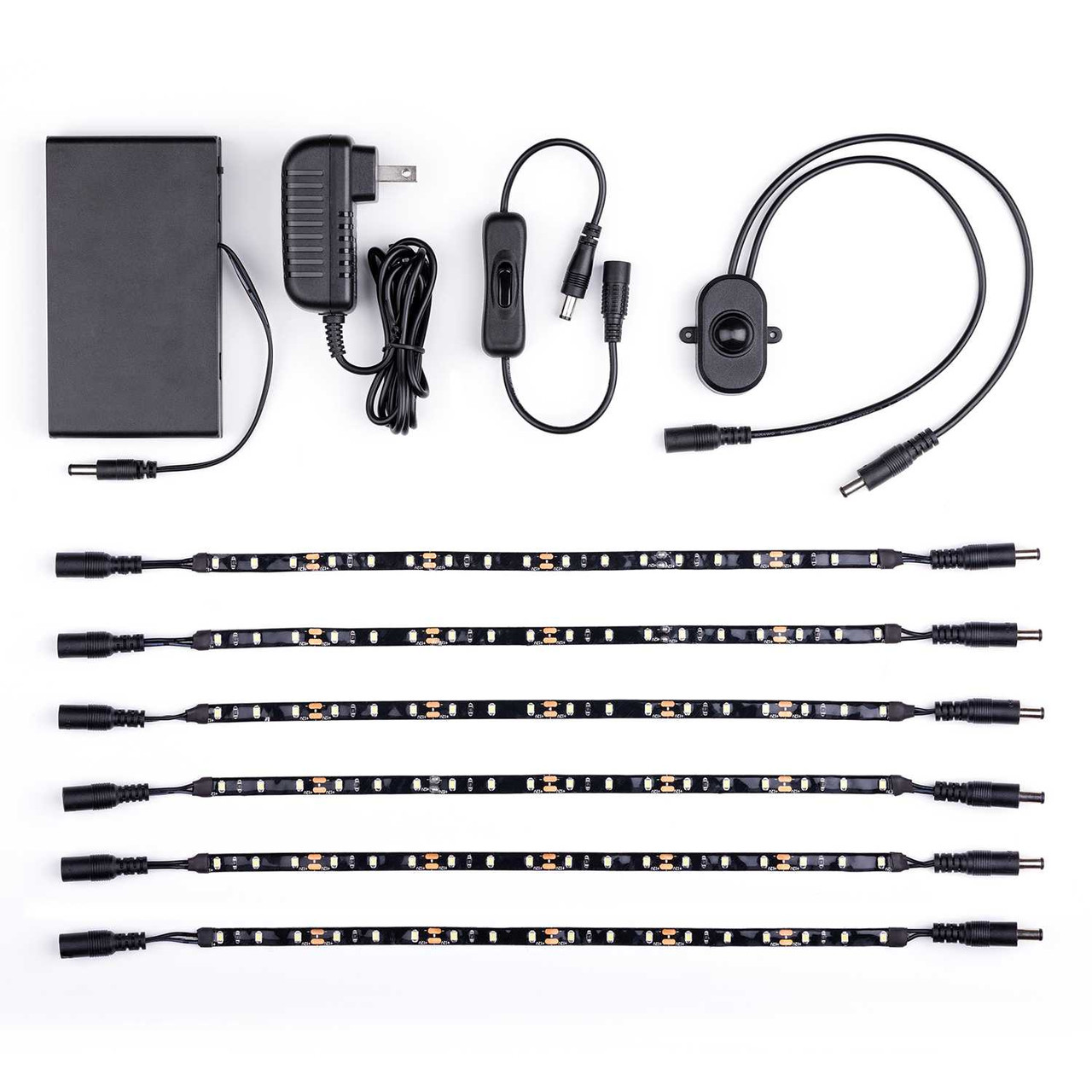
Battery-powered lights offer easy setup. No wires mean less clutter and no drilling. You can place these lights anywhere inside the safe. But batteries need changing over time. Wired lights need power cables but give constant light. They are good for safes near power outlets. Wires can be hidden behind panels or inside safe walls. This keeps the safe looking tidy and secure.
Planning The Wiring Route
Planning the wiring route is a key step in hiding wires for gun safe lights. A clear plan keeps wires neat and out of sight. Proper routing also protects wires from damage and keeps the safe looking clean. This section guides you through the basics of planning the wiring path.
Assessing Safe Interior Layout
Start by studying the inside layout of your gun safe. Note shelves, hooks, and compartments that may block wires. Find spots where wires can run without bending sharply. Check for gaps or corners where wires can hide easily. Make sure wires won’t interfere with safe doors or locks.
Identifying Power Sources
Next, locate the power source for your gun safe lights. This could be an outlet near the safe or a battery pack inside it. Measure the distance from the power source to the light fixture. Choose the shortest path to keep wires hidden and tidy. Plan to avoid crossing heavy traffic areas or places where wires can snag.
Tools And Materials Needed
Hiding wiring for gun safe lights requires the right tools and materials. Proper equipment makes the job easier and cleaner. It helps keep wires safe and out of sight. Below are the necessary tools and accessories for this task.
Essential Wiring Tools
You need a few basic tools to handle wiring safely. A wire stripper helps remove insulation without damage. Use a screwdriver set to open panels and secure connections. A drill and drill bits create holes for wires if needed. Electrical tape keeps wire joints insulated and secure. A voltage tester ensures the power is off before starting work. Wire cutters trim wires to the right length. A measuring tape measures distances to place wires neatly. These tools help you work quickly and safely.
Concealment Accessories
Concealing wiring requires special accessories for a neat look. Cable raceways hide wires along walls or corners. Wire clips attach wires to surfaces, keeping them straight. Flexible conduit protects wires in tricky areas. Wire loom tubing bundles wires and adds protection. Adhesive cable mounts hold clips and raceways firmly in place. Paintable raceways blend wires with wall color for a clean finish. These accessories keep wiring tidy and hidden from view.
Step-by-step Wiring Installation
Installing wiring for gun safe lights requires care and attention. Proper steps keep wires hidden and safe. Follow this guide for a clean, professional look that lasts.
Preparing The Safe For Wiring
Start by emptying the safe completely. Clear space helps to work comfortably. Use a flashlight to see inside the safe well. Plan where the light will go. Mark spots for holes carefully. Use a drill to make small holes. Smooth edges to avoid wire damage. Check the safe’s manual for wiring advice. Safety first—disconnect power before working.
Running Wires Discreetly
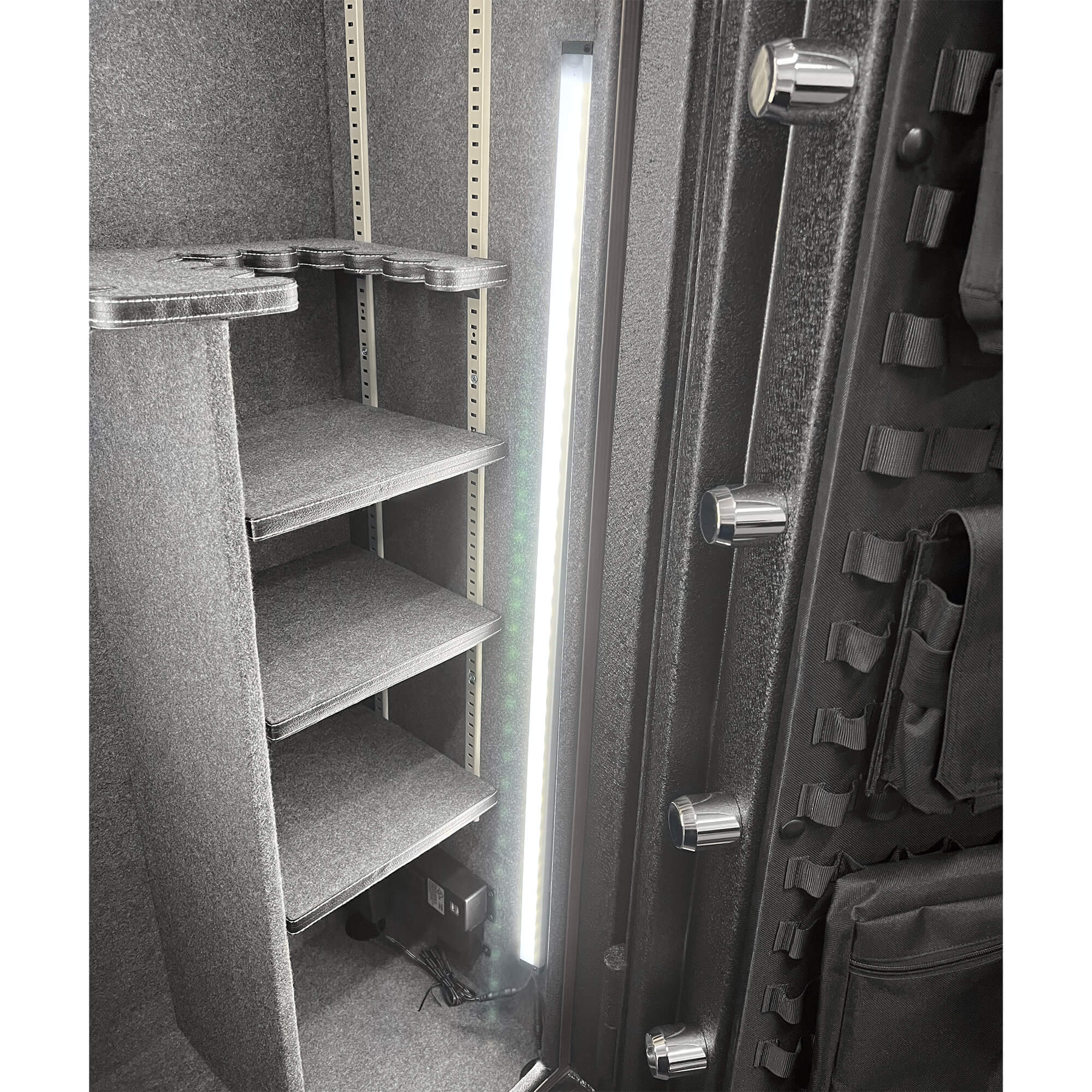
Choose thin, flexible wires for easy hiding. Run wires along corners and edges. Use existing gaps or channels inside the safe. Avoid crossing open areas where wires show. Secure wires with small clips or tape. Hide wires behind panels or trim. Keep wires tight to avoid snagging. Measure twice, cut once for perfect length.
Securing Connections
Strip wire ends carefully without cutting strands. Twist wires together firmly for a strong link. Use wire connectors or electrical tape to seal. Test connections with a small bulb before finalizing. Place connections inside a protective box or cover. Avoid loose wires that may short circuit. Double-check all connections before closing the safe.
Techniques To Hide Wires
Hiding wires for gun safe lights keeps your space tidy and safe. Neat wiring prevents tripping hazards and protects cables from damage. Using simple techniques can make your setup look clean and professional. This section covers easy ways to hide wires effectively.
Using Wire Channels And Clips
Wire channels are plastic or metal guides that hold cables firmly. They stick to walls or surfaces and keep wires organized. Clips can secure wires along edges or corners. Both options prevent cables from hanging loose or tangling. Choose channels and clips that match your wall color for a cleaner look.
Tucking Wires Behind Panels
Many gun safes have panels or edges that hide wires well. Tuck cables behind these parts to keep them out of sight. Use tape or small clips to hold wires in place. This method works best if your safe has removable or slightly raised panels. It keeps wires protected and hidden from plain view.
Camouflaging With Paint Or Tape
Paint wires with matching colors to blend with walls or safes. Use spray or brush paint designed for plastic or metal cables. Alternatively, wrap wires with colored tape that matches surroundings. This technique makes wires less visible and blends them into the background. Choose paint or tape carefully to avoid damaging cables.
Safety Precautions
Hiding wiring for gun safe lights improves the look and keeps wires safe. Safety comes first during this task. Taking the right steps helps avoid accidents and damage. Follow these safety precautions to protect your home and yourself.
Avoiding Electrical Hazards
Turn off the power before starting any wiring work. Use insulated tools to reduce the risk of shocks. Check wires for damage or wear before installation. Keep wires away from sharp edges and moving parts. Use proper connectors to join wires securely. Test the wiring with a voltage tester to ensure safety.
Ensuring Fire Safety
Use wires rated for the light’s voltage and current. Avoid overloading circuits to prevent overheating. Keep wiring away from flammable materials inside the safe. Secure wires to prevent them from rubbing and creating sparks. Use fire-resistant conduit or tubing for extra protection. Regularly inspect wiring for signs of heat damage or melting.
Maintenance Tips
Maintaining hidden wiring for gun safe lights keeps everything working well and safe. Regular care helps avoid electrical problems and extends the life of your setup. Small checks can prevent big issues later.
Inspecting Wiring Regularly
Check wires for cracks, cuts, or wear each month. Look for loose connections or exposed wires. Make sure wires stay hidden and secure inside walls or conduits. Clean dust or debris around wiring to stop damage.
Troubleshooting Common Issues
Lights flickering or not turning on? Test the power source first. Replace batteries or check the switch. Follow wires to spot breaks or loose ends. Use a voltage tester to find electrical faults safely. Fix any damage quickly to keep lights working well.
Frequently Asked Questions
How Can I Conceal Wires Inside A Gun Safe?
Use adhesive cable clips and wire channels to secure wires along safe edges. Conceal them behind panels or trim for a clean look. This prevents visible clutter while maintaining easy access for maintenance.
What Tools Are Needed To Hide Gun Safe Lighting Wires?
You need cable clips, wire raceways, adhesive hooks, and a drill. These tools help route and secure wires discreetly inside the safe. Using proper tools ensures a professional and safe installation.
Can I Hide Wiring Without Damaging The Gun Safe?
Yes, by using adhesive clips and removable wire channels. Avoid drilling into critical structural parts. This keeps your safe intact and maintains its integrity while hiding wires effectively.
Is It Safe To Run Electrical Wires Inside A Gun Safe?
Yes, if you use low-voltage LED lights and proper insulation. Ensure wires do not interfere with locking mechanisms. Following safety guidelines prevents fire hazards and ensures safe operation.
Conclusion
Hiding wiring for gun safe lights keeps your space neat and safe. Use simple tools and plan your wiring path carefully. Running wires behind walls or under carpets works well. Secure wires to avoid damage and accidents. This small effort improves your gun safe’s look and function.
Stay patient and take your time with each step. A tidy setup adds peace of mind every time you open your safe. Keep your wiring hidden and enjoy a clean, organized space.