If you own a gun safe, keeping your firearms in perfect condition is probably one of your top priorities. But did you know that humidity inside your safe can cause serious damage over time?
That’s where a hygrometer comes in. Knowing how to read a hygrometer inside your gun safe is the key to protecting your valuable firearms from rust and corrosion. You’ll discover simple steps to understand your hygrometer’s readings and learn how to maintain the ideal environment for your guns.
Keep reading to make sure your collection stays safe and in top shape for years to come.
Types Of Hygrometers For Gun Safes
Choosing the right hygrometer helps keep your gun safe dry and your firearms safe. Different types of hygrometers offer various ways to measure humidity. Understanding these types can help you pick the best one for your safe. Here are the common types of hygrometers used inside gun safes.
Analog Hygrometers
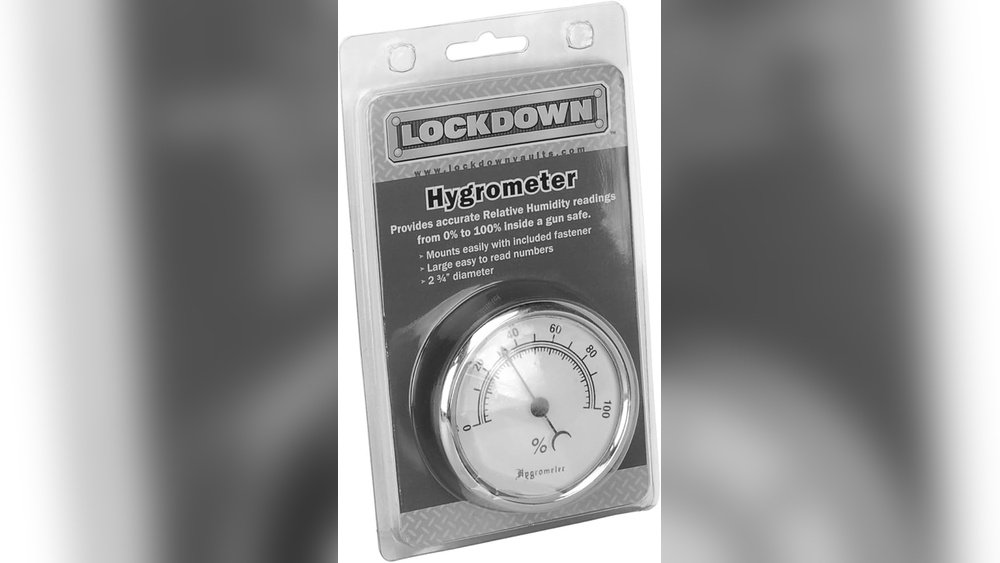
Analog hygrometers use a dial to show humidity levels. They work with a needle that moves on a scale. These devices do not need batteries. They are simple and easy to read. However, analog hygrometers may lose accuracy over time. Regular calibration helps keep them precise.
Digital Hygrometers
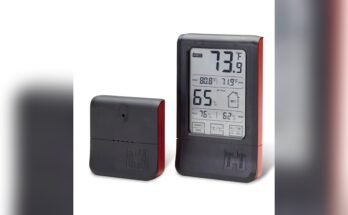
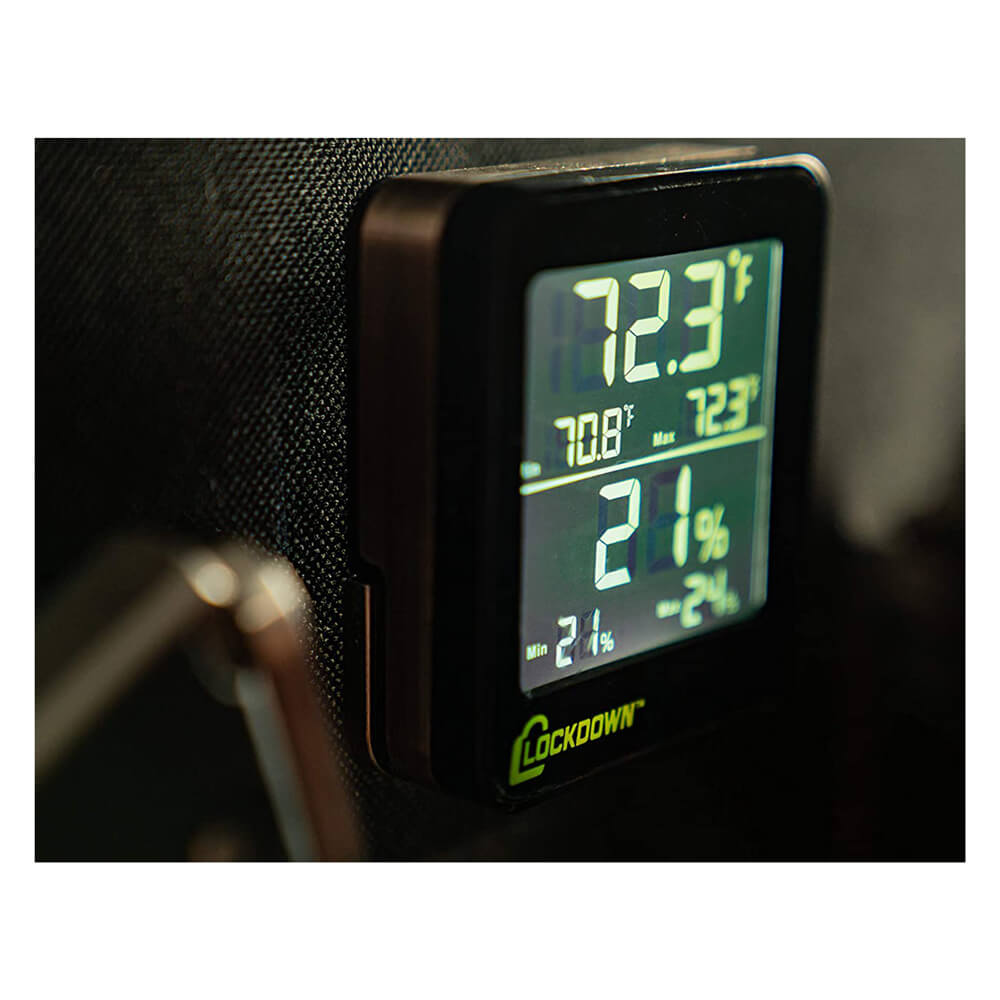
Digital hygrometers show humidity as numbers on a screen. They use electronic sensors for quick readings. These devices often display temperature too. Digital hygrometers need batteries to operate. They are usually more accurate than analog types. Some models have memory to track humidity changes.
Smart Hygrometers
Smart hygrometers connect to phones or tablets. They send real-time humidity alerts through apps. These devices offer detailed data and trends. Smart hygrometers help monitor your safe remotely. They often include temperature and dew point readings. These are best for tech-savvy gun owners.

Ideal Humidity Levels For Gun Safes
Maintaining the right humidity inside a gun safe is crucial for protecting your firearms. Too much or too little moisture can cause damage. Knowing the ideal humidity levels helps you keep guns in good condition. Use a hygrometer to check the moisture inside your safe regularly.
Optimal Range
The best humidity range for a gun safe is between 35% and 50%. This level prevents rust and corrosion on metal parts. It also stops wood stocks from drying out or cracking. Staying within this range protects your guns for years.
Risks Of High Humidity
High humidity above 50% causes rust to form quickly on metal surfaces. It also encourages mold and mildew growth. These problems can damage your guns and make them unsafe to use. High moisture may ruin valuable firearm finishes and parts.
Risks Of Low Humidity
Humidity below 35% dries out wood stocks and grips. This dryness can cause cracks and warping. Low moisture also affects gun oils, making them less effective. Your firearms might become brittle and lose their value.
Reading Analog Hygrometers
Reading an analog hygrometer inside a gun safe is simple once you know the steps. This device helps you check humidity levels to protect your guns from rust and damage. Understanding how to read it correctly keeps your safe environment perfect.
Identifying The Scale
Look at the dial on the hygrometer. It shows numbers from 0 to 100. These numbers represent the percentage of humidity. The scale helps you see the moisture level inside your gun safe. Usually, the safe humidity range is between 40% and 60%.
Calibrating The Device
Calibration ensures accurate readings. Use the salt test method for calibration. Place a small cup of salt and water in a sealed bag with the hygrometer. Wait 6 to 8 hours. The needle should point to 75%. Adjust it if needed by turning the small screw on the back.
Interpreting Needle Position
The needle shows the current humidity level. If it stays between 40% and 60%, your safe is well protected. Below 40%, the air is too dry and may cause wood to crack. Above 60%, moisture can cause rust on guns. Watch the needle daily to keep conditions right.
Reading Digital Hygrometers
Digital hygrometers are popular tools for measuring humidity inside gun safes. They show clear, easy-to-read numbers. This helps protect your firearms from rust and damage. Understanding how to read these devices is key to keeping your safe in good condition.
Understanding Display Features
Most digital hygrometers show humidity as a percentage. This number tells you how much moisture is in the air. Some models also show temperature readings. Look for icons or letters that explain what each number means. Many devices have backlights for easy reading in the dark.
Using Calibration Functions
Calibration keeps your hygrometer accurate. Many digital models have a button to start calibration. Follow the device’s instructions carefully. You may need a stable environment with known humidity for this. Regular calibration ensures you get correct humidity readings every time.
Battery Maintenance Tips
Digital hygrometers need batteries to work well. Check battery levels often to avoid sudden power loss. Replace batteries with the right type for your device. Remove batteries if you won’t use the hygrometer for a long time. Proper battery care keeps your readings consistent and reliable.
Maintaining Accurate Readings
Maintaining accurate readings on your gun safe’s hygrometer is key to protecting your firearms. Humidity levels affect metal and wood, so precise monitoring matters. Small mistakes can lead to wrong readings and damage.
Follow simple steps to keep your hygrometer reliable. Check it often and place it correctly. Avoid common errors that confuse the device.
Regular Calibration
Calibrate your hygrometer regularly to ensure accuracy. Use a salt test or a calibration kit. Calibration keeps the device reading true humidity levels. Set reminders to check calibration every few months. This helps catch any drift in the sensor’s reading early.
Placement Inside The Safe
Place the hygrometer away from the door and vents. Avoid spots near electronics or batteries that give off heat. Keep it at eye level for easy reading. Proper placement prevents false readings from temperature changes. It also helps measure the true air moisture inside the safe.
Avoiding Common Errors
Do not touch the sensor area with fingers. Moisture from your skin can affect readings. Avoid opening the safe frequently, as this changes humidity. Keep the safe sealed to get consistent results. Clean the hygrometer gently to remove dust or dirt. These steps prevent false readings and keep your data reliable.
Controlling Humidity In Gun Safes
Controlling humidity inside a gun safe is crucial for protecting firearms. High moisture levels cause rust and damage. Low humidity keeps guns in good shape for years. Monitoring and managing humidity keeps your collection safe and functional.
Using Desiccants
Desiccants absorb moisture from the air inside the safe. Silica gel packs are common and affordable. Place them in different corners for better coverage. Replace or recharge desiccants regularly to keep them effective. They work silently and need no power.
Electronic Dehumidifiers
Electronic dehumidifiers remove moisture actively. These devices plug into a power source inside the safe. They work continuously to keep humidity at safe levels. Some models have built-in hygrometers for easy monitoring. Ideal for large safes or humid environments.
Ventilation Techniques
Proper ventilation helps reduce moisture buildup. Use small vents or fans to circulate air inside the safe. Avoid direct outside air that may bring humidity in. Ventilation keeps the environment fresh and dry. Combine with desiccants or dehumidifiers for best results.
Troubleshooting Common Issues
Reading a hygrometer inside a gun safe can sometimes be tricky. The device may show strange numbers or not work well. Knowing how to fix these common problems helps keep your safe’s humidity right. This section covers three usual issues and easy ways to handle them.
Erratic Readings
Erratic readings mean the hygrometer’s numbers jump up and down. This can happen if the device is near the door or a vent. Move the hygrometer to the center of the safe for steady results. Also, avoid opening the safe too often. Constant air changes confuse the sensor.
Moisture Buildup
Moisture buildup appears as fog or drops inside the safe. This can affect the hygrometer’s accuracy. Check for leaks or poor seals around the door. Use a dehumidifier or silica gel packs to control moisture. Keep the safe dry for the best readings.
Device Malfunctions
Sometimes the hygrometer stops working or freezes on one number. Battery-powered models need fresh batteries to run well. Analog types may need recalibration or replacement after years of use. Test your device regularly to ensure it works correctly. Replace it if it fails repeatedly.
Frequently Asked Questions
How Do I Read A Hygrometer Inside A Gun Safe?
To read a hygrometer, check the dial or digital display inside the safe. It shows relative humidity, usually as a percentage. Aim for 45-55% to protect firearms from rust and damage.
What Is The Ideal Humidity Level For Gun Safes?
The ideal humidity level is between 45% and 55%. This range prevents rust, corrosion, and mold growth, keeping firearms and ammunition in good condition.
How Often Should I Check My Gun Safe Hygrometer?
Check your hygrometer at least once a week. Regular monitoring helps maintain the correct humidity and ensures your firearms stay protected.
Can A Hygrometer Help Prevent Gun Rust?
Yes, a hygrometer helps monitor humidity levels. Keeping humidity in the safe’s ideal range reduces the risk of rust and corrosion on guns.
Conclusion
Reading a hygrometer inside your gun safe helps protect your guns. Check the dial or digital screen for humidity levels. Aim to keep humidity between 35% and 50%. Too much moisture can cause rust and damage. Too little can dry out wood parts.
Regularly monitor the readings to maintain safe conditions. Adjust with dehumidifiers or moisture absorbers when needed. Keeping an eye on your hygrometer ensures your guns stay in good shape. Simple steps make a big difference for gun care. Stay aware, stay prepared, and protect your investment.