If you own firearms, you know how important it is to keep them safe and in top condition. But have you ever thought about the humidity inside your gun safe?
Too much moisture can cause rust and damage, while too little might dry out essential parts. Finding the right balance is key to protecting your investment and ensuring your firearms work perfectly when you need them. You’ll discover the safe humidity levels for your gun safe and simple tips to maintain them.
Keep reading to protect your firearms from hidden threats you might not even realize.

Ideal Humidity Range For Firearms
Keeping the right humidity inside a gun safe is key to protect firearms. The ideal humidity range stops rust and damage. It also keeps wooden stocks and metal parts in good shape. Maintaining this balance helps firearms last longer and stay reliable.
Too much moisture causes rust and corrosion. Too little dries out wood, leading to cracks. Finding the right level prevents these problems and keeps guns safe.
Why Humidity Matters
Humidity affects metal and wood parts of firearms. High humidity creates rust on metal surfaces. Rust weakens guns and makes them unsafe. Low humidity dries out wooden stocks. Dry wood can crack or warp. Both extremes harm the firearm’s performance and value.
Stable humidity stops damage. It helps preserve the finish and function of guns. Protecting firearms means controlling moisture inside the safe.
Recommended Percentage Levels
The best humidity range for firearms is between 35% and 50%. This range limits rust and keeps wood healthy. Below 35%, wood might dry too much. Above 50%, rust risks increase sharply.
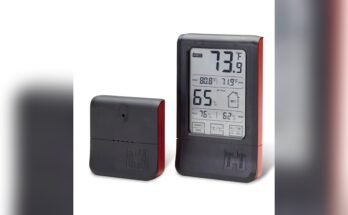
Using a hygrometer inside the safe helps monitor humidity. A small dehumidifier or moisture absorber can control levels. Keeping humidity steady protects guns from damage over time.
Risks Of High Humidity
High humidity inside a gun safe can harm your firearms. Moist air causes many problems. It can ruin both metal and wood parts. Protecting your guns means controlling humidity levels carefully.
Corrosion And Rust
Metal parts of guns are very sensitive to moisture. High humidity causes rust to form quickly. Rust weakens the metal and changes its look. Rust can make guns unsafe to use. Small rust spots grow larger over time. This damage lowers the value of firearms. Keeping humidity low stops rust from forming.
Damage To Wood And Metal Parts
Wood gun stocks absorb moisture from the air. This causes wood to swell and crack. Cracks ruin the gun’s appearance and function. Metal parts also suffer from damp air. They may corrode beneath the surface. This hidden damage is hard to spot. Humidity control keeps wood and metal in good shape. It protects your firearms for many years.
Dangers Of Low Humidity
Low humidity inside a gun safe can cause serious problems. Dry air might seem harmless, but it damages firearms over time. Maintaining proper humidity protects your guns and ensures they work well.
Too little moisture causes wood and metal parts to dry out. This leads to cracks, warping, and loss of function. Knowing the dangers helps you avoid costly repairs or replacements.
Effects On Wood Stocks
Wood gun stocks need some moisture to stay strong and stable. Low humidity dries the wood, causing it to shrink and crack. Cracks make the stock weak and less comfortable to hold. Warped wood also changes the gun’s accuracy. Dry wood can lose its smooth finish, making the gun look old and worn.
Impact On Lubricants And Seals
Lubricants on metal parts keep guns moving smoothly. In low humidity, these oils can dry out or become sticky. Dry lubricants increase friction, causing parts to wear faster. Seals made of rubber or plastic can become brittle and crack. Broken seals allow dust and moisture inside, harming the gun’s inner parts. Proper humidity helps lubricants and seals last longer.

Controlling Humidity Inside Gun Safes
Controlling humidity inside gun safes is crucial to keep firearms safe and rust-free. High moisture levels cause metal parts to corrode and wood stocks to warp. The ideal humidity level inside a gun safe stays between 30% and 50%. Maintaining this range prevents damage and preserves firearm value.
Several methods help control moisture. Each method suits different safe sizes and climates. Using the right tools protects firearms and extends their life.
Using Dehumidifiers
Dehumidifiers remove excess moisture from the air inside gun safes. Electric models plug into a power source and work continuously. They maintain stable humidity and stop rust from forming. Small portable dehumidifiers fit inside most safes. Some units have automatic shut-off features to save energy.
Silica Gel Packs And Other Absorbers
Silica gel packs absorb moisture without power. Place them on shelves or inside compartments. Replace packs regularly, as they lose effectiveness over time. Other absorbers like clay or activated charcoal also reduce humidity. They are affordable and easy to use for small safes.
Safe Ventilation Practices
Good ventilation helps prevent moisture buildup in gun safes. Avoid sealing safes too tightly without air circulation. Place safes in dry, well-ventilated rooms. Use vents or small fans designed for gun safes. Proper airflow reduces trapped moisture and keeps firearms dry.
Monitoring Humidity Levels
Monitoring humidity levels inside your gun safe is key to keeping firearms safe from rust and damage. Moisture in the air can cause metal parts to corrode over time. Checking the humidity helps prevent this problem. It keeps your guns in good shape and ready to use.
Many gun owners use devices called hygrometers to measure humidity. These tools give quick and clear readings. Knowing the exact humidity level helps you take action if it gets too high or too low. Proper monitoring avoids costly repairs or replacements.
Types Of Hygrometers
Analog hygrometers have a simple dial that shows humidity percentage. They are easy to use and need no batteries. Digital hygrometers show numbers on a screen. They can be more accurate and often have extra features. Some models record humidity over time for better tracking.
Placement Tips For Accurate Readings
Place the hygrometer in the middle of the safe for a true reading. Avoid putting it near the door or vents. These spots may give false humidity levels. Keep the device away from direct contact with firearms or dehumidifiers. Check the readings regularly to catch any changes early.

Seasonal Adjustments For Humidity
Humidity levels in a gun safe must change with the seasons. Different weather means different moisture in the air. This can affect your firearms. Keeping the right humidity all year helps protect guns from rust and damage. Adjusting your safe’s humidity helps maintain firearms in good condition.
Managing Humidity In Winter
Winter air is often dry. This can cause gun parts to crack or wood to shrink. Use a humidifier or moisture pack inside the safe. Aim for 40-50% humidity during colder months. Check the safe regularly to keep moisture balanced. Avoid letting the air get too dry.
Managing Humidity In Summer
Summer brings higher humidity and damp air. This can cause rust and corrosion on metal parts. Use a dehumidifier or silica gel packs to reduce moisture. Keep humidity around 35-45% in hot months. Open the safe occasionally to air it out. Monitor the humidity with a reliable gauge.
Additional Tips For Firearm Preservation
Proper humidity control is crucial for firearm safety, but other care steps also help keep guns in good shape. These tips focus on daily habits that protect your firearms from damage over time. Small actions can prevent rust, corrosion, and wear. Consistent care keeps your firearms working well and safe to use.
Regular Maintenance And Cleaning
Clean firearms after every use. Dirt and moisture cause rust quickly. Use a soft cloth and proper cleaning tools. Apply a thin layer of oil to metal parts. This blocks moisture and stops rust. Check screws and parts for tightness. Replace worn or damaged parts right away. Regular maintenance extends the life of your firearm.
Proper Storage Techniques
Store guns in a dry, cool place. Use a gun safe with humidity control. Silica gel packs absorb extra moisture inside the safe. Avoid storing firearms in basements or attics. These areas often have high humidity and temperature changes. Keep guns away from direct sunlight and heat sources. Use gun socks or cases for extra protection. Proper storage reduces rust and mechanical issues.
Frequently Asked Questions
What Is The Ideal Humidity Level For Gun Safes?
The ideal humidity level for gun safes is between 35% and 50%. This range prevents rust and corrosion while avoiding excessive dryness that can damage wooden stocks.
How Does High Humidity Damage Firearms?
High humidity causes moisture buildup inside the safe. Moisture leads to rust, corrosion, and metal degradation, damaging firearm components and reducing their lifespan.
Can Low Humidity Harm Firearms In A Safe?
Yes, extremely low humidity can dry out wooden gun stocks and grips. This causes cracking and warping, affecting the firearm’s structural integrity.
How To Control Humidity Inside A Gun Safe?
Use dehumidifiers, silica gel packs, or humidity control devices inside the safe. Regularly monitor humidity levels with a hygrometer for optimal firearm protection.
Conclusion
Keeping the right humidity level in your gun safe protects your firearms. Aim for 40% to 50% humidity to stop rust and damage. Use a reliable hygrometer to check moisture often. A good dehumidifier helps keep the air dry and safe.
Proper care extends your guns’ life and value. Small steps make a big difference in gun safety. Stay mindful of humidity to keep your collection in top shape. Safe guns mean peace of mind.