If you own a gun safe, you know how important it is to protect your firearms from rust and damage. But do you know where to place a hygrometer inside your safe to get the most accurate reading?
The right spot can make all the difference in keeping your guns safe and dry. You’ll discover exactly where to put your hygrometer so you can monitor humidity levels effectively and keep your firearms in top condition. Don’t leave your guns at risk—read on to find out the best placement for your hygrometer.

Choosing The Right Spot
Choosing the right spot for your hygrometer inside a gun safe is very important. The position affects how well it measures moisture and protects your firearms. Place it carefully for best results.
Avoiding Direct Contact With Guns
Do not place the hygrometer touching your guns. Metal parts can cause false readings. The sensor needs space to measure air moisture accurately. Keep the device away from your firearms.
Keeping Away From Heat Sources
Heat can change the hygrometer’s readings. Avoid placing it near lights, batteries, or any heat source inside the safe. A cooler spot gives more reliable moisture levels.
Positioning For Accurate Readings
Place the hygrometer at eye level for easy checking. Put it where air flows freely inside the safe. Avoid corners or sealed spots where air may be stagnant.
Types Of Hygrometers For Gun Safes
Choosing the right hygrometer helps protect guns from moisture damage. Different types of hygrometers offer various features and accuracy levels. Knowing these types helps you pick the best one for your gun safe. Two main types exist: analog and digital. Each type has unique benefits and drawbacks.
Analog Vs Digital Models
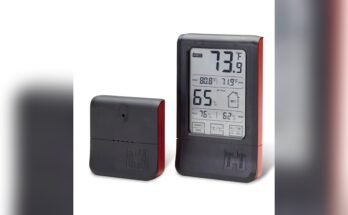
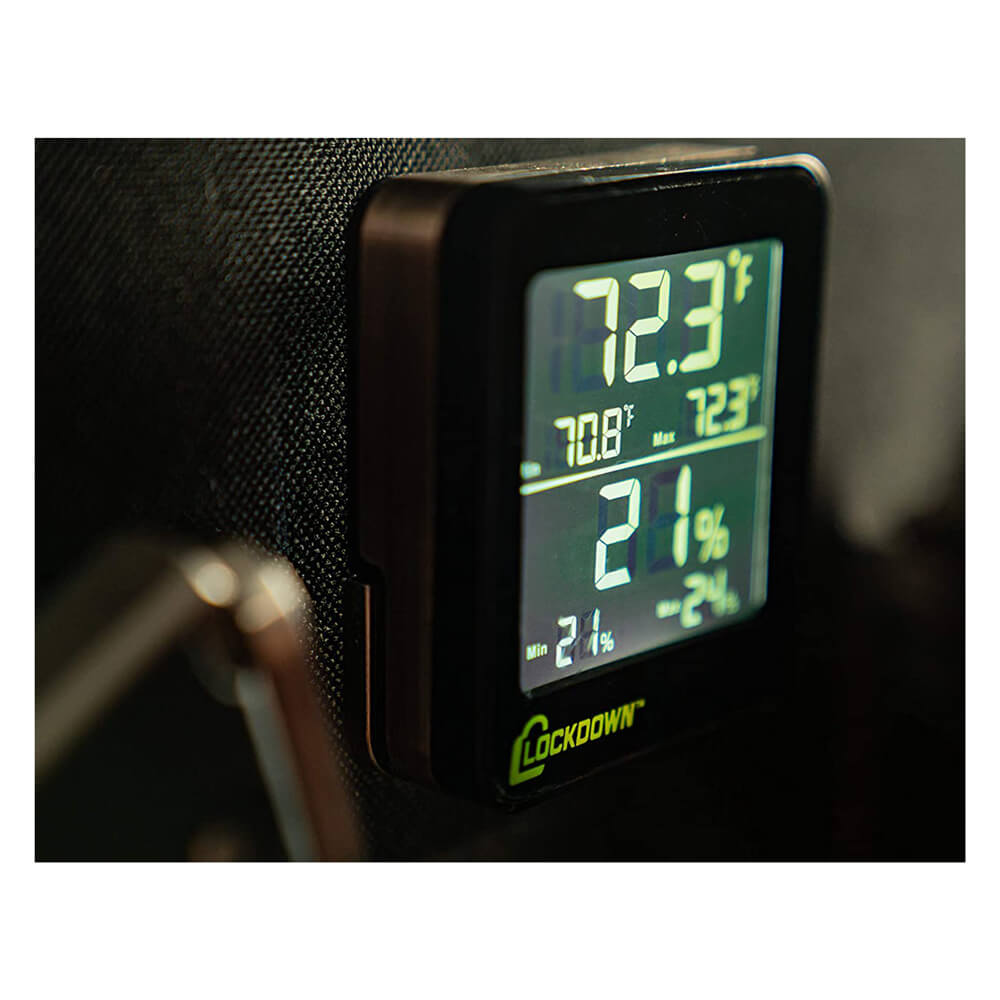
Analog hygrometers use a dial with a needle to show humidity. They work without batteries. Digital hygrometers show numbers on a screen. They often include extra features like temperature reading or alerts.
Analog models are simple and classic. Digital models are modern and precise. Both types measure humidity but display it differently.
Pros And Cons Of Each Type
Analog hygrometers are easy to use and do not need power. They may lose accuracy over time. Calibration is needed for best results. They have a vintage look that some users prefer.
Digital hygrometers give quick, clear readings. They often include alarms for high humidity. They need batteries or power to work. Some models cost more than analog ones.
Ideal Height For Placement
Choosing the right height for your hygrometer in a gun safe is crucial. The placement affects the accuracy of humidity readings. It also helps protect your firearms from moisture damage. Understanding the ideal height can keep your safe environment stable and your guns safe.
Why Height Matters
Humidity varies inside the safe at different heights. Moist air tends to settle near the bottom. Dry air rises toward the top. Placing the hygrometer too low or too high can give false readings. Correct height helps track real humidity conditions. It ensures timely actions to control moisture levels.
Recommended Levels Inside The Safe
Place the hygrometer about halfway up the safe door or wall. This spot shows a balanced reading of air moisture. Avoid the floor or ceiling inside the safe. These areas do not reflect true humidity. Mid-level placement helps maintain an even climate. It protects your guns from rust and corrosion.
Using Multiple Hygrometers
Using multiple hygrometers inside a gun safe helps track humidity more accurately. One sensor might not show the full picture of moisture levels. Placing several sensors in different spots gives you better control. This reduces the risk of rust and damage to your firearms.
Benefits Of Multiple Sensors
Multiple hygrometers provide detailed humidity readings in the safe. They catch changes that a single sensor might miss. This stops surprises like mold or corrosion. You can adjust moisture control tools more effectively. These sensors also help find problem areas inside the safe.
Best Locations For Each
Place one hygrometer near the top of the safe. Warm air rises and may hold more moisture there. Another sensor should go near the bottom. Cooler air collects there, affecting humidity differently. A third sensor can be placed in the middle. This spot gives an overall average reading. Spread sensors evenly, avoiding corners where air may not flow well.
Maintaining Accurate Humidity Levels
Maintaining accurate humidity levels inside a gun safe is crucial to protect firearms from rust and damage. Moisture can cause metal parts to corrode and wooden stocks to warp. Using a hygrometer helps monitor the humidity so you know when action is needed. Proper placement of the hygrometer ensures reliable readings. This section covers how to keep humidity levels steady and accurate.
Combining Hygrometers With Dehumidifiers
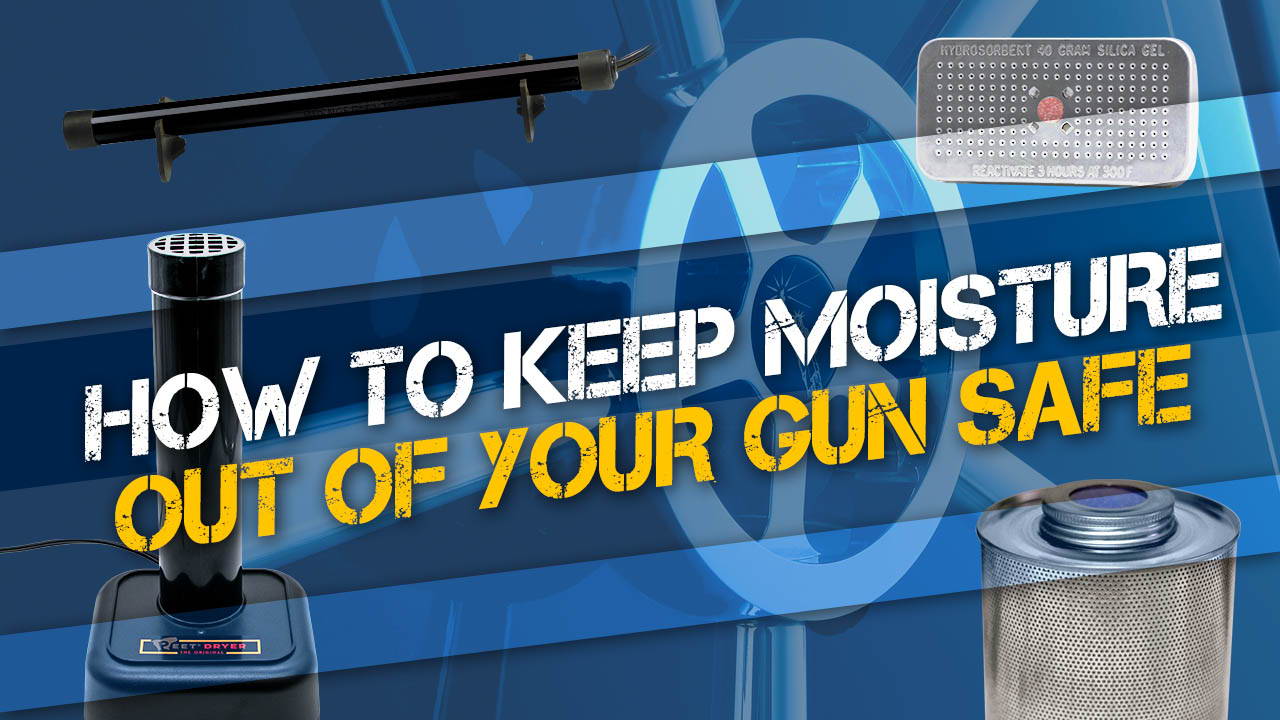
A hygrometer measures humidity but does not control it. Pairing it with a dehumidifier keeps moisture in check. Dehumidifiers remove excess water from the air inside the safe. This helps maintain a stable environment for your guns. Place the hygrometer near the dehumidifier to get precise readings. This setup prevents rust and keeps your firearms safe for years.
Regular Calibration Tips
Hygrometers can lose accuracy over time. Regular calibration ensures they show correct humidity levels. Use a simple salt test to check accuracy. Place the hygrometer in a sealed bag with salt and water. Wait eight hours and compare the reading to 75% humidity. Adjust or replace the hygrometer if the reading is off. Calibrate every few months to keep your gun safe environment reliable.
Common Mistakes To Avoid
Placing a hygrometer in your gun safe is important for keeping your firearms safe from moisture. Many gun owners make avoidable mistakes that cause inaccurate readings. Knowing what to avoid helps you get the best results from your hygrometer.
Errors can lead to wrong humidity levels and damage your guns. The right placement ensures the hygrometer works properly. Avoid these common placement mistakes to protect your collection.
Placing Near Safe Door
Putting the hygrometer close to the door gives false readings. The door area often has more air movement and temperature changes. These shifts make the humidity seem higher or lower than it is inside.
Choose a spot deeper inside the safe. This location shows a more stable and true humidity level. Avoid placing the device where the door opens and closes.
Ignoring Air Circulation
Ignoring air flow inside the safe causes uneven humidity. Stagnant air can trap moisture or dry spots. These differences confuse the hygrometer and give wrong data.
Make sure air moves slightly around the hygrometer. Use small vents or fans if needed. Good air circulation helps the device measure the actual humidity well.
Frequently Asked Questions
Where Is The Best Spot To Place A Hygrometer In A Gun Safe?
Place the hygrometer near the center of the gun safe for accurate humidity readings. Avoid placing it near vents or doors to prevent false readings caused by external air.
How Does Hygrometer Placement Affect Gun Safe Humidity Monitoring?
Proper placement ensures the hygrometer measures true internal humidity levels. Incorrect placement near openings can lead to inconsistent readings and ineffective moisture control.
Should A Hygrometer Be Placed High Or Low In A Gun Safe?
Place the hygrometer at eye level inside the safe. Humidity tends to be uniform, but mid-level placement avoids temperature stratification effects.
Can Placing A Hygrometer Near Firearms Cause Inaccurate Readings?
No, placing a hygrometer near firearms does not affect accuracy. Ensure it is not blocked by objects to get clear air circulation around the device.
Conclusion
Place the hygrometer where air flows freely inside the safe. Avoid spots near the door or floor, where readings may be off. Keep it at eye level for easy checking. This helps monitor humidity and protect your guns from rust.
Regularly check and adjust the safe’s environment as needed. A well-placed hygrometer ensures your collection stays in good condition. Simple steps, big benefits.