Are you wondering how to keep your guns safe and in top condition for years to come? One key factor you might be overlooking is the temperature inside your gun safe.
Too hot or too cold, and your firearms could suffer damage without you even realizing it. You’ll discover the ideal temperature range that protects your guns from rust, warping, and other costly problems. Keep reading to learn how a simple change in temperature can make a big difference in preserving your valuable firearms.
Recommended Temperature Range
Keeping the right temperature inside your gun safe is key to protecting your firearms. The recommended temperature range helps prevent damage caused by heat or cold. Maintaining this range preserves the gun’s metal and wood parts.
Temperature control also reduces moisture buildup. Moisture can cause rust and corrosion. Proper temperature keeps your guns safe and ready to use.
Optimal Conditions For Gun Preservation
The ideal temperature for a gun safe is usually between 55°F and 75°F. This range keeps metals from expanding or contracting too much. Wood stocks stay stable and do not crack or warp.
This temperature band also helps prevent moisture problems. Consistent temperatures protect finishes and lubricants on firearms. Your guns remain in top shape for longer.
Avoiding Temperature Extremes
Extreme heat can cause oil and lubricants to break down. This leaves metal parts unprotected and prone to rust. Too much cold can make wood parts brittle and fragile.
Rapid temperature changes cause condensation inside the safe. Condensation leads to rust and damage over time. Avoid placing your gun safe near heaters, windows, or air conditioners.
Keeping temperature stable and moderate is the best way to protect your firearms. Invest in a safe with good insulation for better control.
Effects Of Heat On Firearms
Heat can harm firearms in many ways. It affects metal, wood, and ammunition. Keeping guns in the right temperature helps them last longer. Understanding heat’s effects helps protect your firearms.
Damage To Metal Components
High heat can cause metal parts to expand and weaken. Over time, this can lead to warping or cracking. Heat also speeds up rust and corrosion. These problems reduce the gun’s accuracy and safety. Proper temperature control helps keep metal parts strong.
Impact On Wooden Stocks
Wood is sensitive to heat and dry air. It can dry out and crack under high temperatures. This weakens the stock and changes its shape. Warped wood affects how the gun handles and shoots. Keeping stable humidity and temperature protects wooden stocks.
Ammunition Safety Concerns
Ammunition can become unsafe in heat. High temperatures may cause primers to ignite accidentally. Heat can also degrade powder, reducing bullet performance. Storing ammo in cool, stable conditions prevents accidents and ensures reliability.
Effects Of Cold On Firearms
Cold temperatures can affect firearms in many ways. Keeping guns in a cold environment may cause problems. Understanding these effects helps protect your firearms and keep them working well.
Metal Contraction And Risks
Cold causes metal parts in guns to shrink. This contraction can change the fit of moving parts. Tight spaces may become too tight to function smoothly. It may cause jamming or misfires. Metal stress from shrinking can lead to cracks over time. Careful temperature control prevents these issues.
Lubricant Performance Issues
Lubricants in firearms can thicken or freeze in cold. Thick oil slows down the gun’s action. Frozen lubricant can stop parts from moving. This leads to poor performance and increased wear. Use lubricants made for cold temperatures to avoid problems. Proper lubrication keeps your gun reliable in cold conditions.

Controlling Humidity Inside The Safe
Controlling humidity inside a gun safe is very important. High moisture can cause rust and damage to guns and other valuables. Keeping the right humidity level helps protect your items from corrosion and mold.
Humidity control also keeps the safe’s interior dry and clean. It extends the life of your firearms and preserves their value. Simple steps can help maintain the perfect environment inside your safe.
Ideal Humidity Levels
The best humidity level inside a gun safe is between 30% and 50%. This range prevents rust and mold growth. Too much moisture causes metal to corrode. Too little can dry out wood or leather parts.
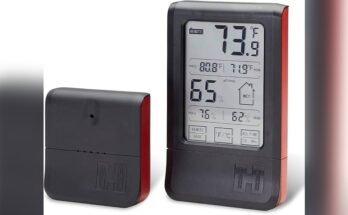
Check the humidity regularly using a small hygrometer. This tool shows the current moisture level inside your safe. Adjust your methods if the humidity goes above or below the ideal range.
Using Dehumidifiers And Desiccants
Dehumidifiers remove excess moisture from the air inside the safe. Electric models are effective for larger safes. They need power and occasional maintenance.
Desiccants absorb moisture without power. Silica gel packets and clay-based products are popular choices. Replace them regularly to keep them effective.
Use both tools to keep humidity stable. This helps prevent damage and keeps guns in top condition.
Temperature Regulation Tips
Keeping the right temperature inside your gun safe helps protect your firearms. Proper temperature control stops rust and damage. It also keeps the safe’s lock working smoothly. Use these tips to keep your gun safe in good condition.
Choosing The Right Location
Pick a spot away from direct sunlight. Avoid places near heaters or air conditioners. A cool, dry room works best. Basements or closets usually have stable temperatures. Avoid rooms with high humidity to prevent rust.
Insulating Your Safe
Add insulation around your gun safe to keep temperature steady. Use foam panels or weather stripping. This helps block heat and cold from outside. Insulation reduces moisture buildup inside the safe. It keeps your firearms safe longer.
Monitoring Temperature Regularly
Check the temperature inside your safe often. Use a small digital thermometer or hygrometer. These tools show heat and humidity levels. Keep a log to track changes over time. Early detection helps you act before damage occurs.
Additional Maintenance Advice
Keeping your gun safe at the right temperature is important. But good care goes beyond just temperature. Regular maintenance protects your firearms and the safe itself. It helps avoid damage and keeps everything working well. Below are key tips for maintaining your gun safe properly.
Regular Cleaning Routines
Clean your gun safe regularly to prevent dust and dirt buildup. Use a soft cloth to wipe the inside and outside surfaces. Avoid harsh chemicals that can harm the safe’s finish. Vacuum corners and crevices to remove small particles. Clean shelves and door seals gently to keep them in good shape. A clean safe protects your guns from scratches and damage.
Checking For Rust And Corrosion
Check your gun safe often for signs of rust or corrosion. Look closely at hinges, locks, and metal surfaces. Rust can weaken the safe and harm your guns. If you find rust, remove it using a fine abrasive pad. Apply a rust inhibitor to prevent return. Keep the safe dry to reduce moisture that causes corrosion. Regular checks stop rust from spreading and keep your safe strong.
Frequently Asked Questions
What Is The Best Temperature Range For A Gun Safe?
The ideal temperature for a gun safe is between 55°F and 75°F. This range prevents moisture buildup and protects firearms from rust and damage. Consistent temperature helps maintain the safe’s interior and the condition of your guns.
Why Should Gun Safes Maintain Stable Temperatures?
Stable temperatures reduce moisture and condensation inside the safe. Fluctuations cause metal parts to rust and damage wooden or leather gun components. Keeping a constant temperature ensures long-term preservation of firearms and safe contents.
How Does High Temperature Affect Gun Safes?
High temperatures can damage gun finishes and weaken lubricants. Excessive heat may warp wooden stocks and degrade adhesives inside the safe. It also increases internal humidity, promoting rust and corrosion on metal parts.
Can A Gun Safe Be Too Cold?
Yes, extreme cold can cause moisture to condense when the temperature rises again. This condensation can lead to rust and mildew inside the safe. Maintaining a moderate temperature prevents these harmful effects.
Conclusion
Keeping your gun safe at the right temperature protects your firearms well. Ideal conditions prevent rust and damage inside the safe. Aim for a cool, dry place with stable temperatures. Avoid extreme heat or cold that can harm your guns.
Regularly check humidity and temperature levels for safety. Proper care helps your firearms last longer and stay reliable. Simple steps make a big difference in gun maintenance. Protect your investment by controlling the safe’s environment carefully. Safe guns mean peace of mind every time you use them.